
The Silent Frustration of Hitting Publish and Hearing Nothing
I remember crying at my desk after my first ten blog posts got exactly zero views in three months. I spent hours staying awake late at night, thinking my writing was just terrible and that I was not meant to be a blogger. It took me a long time to realize that nobody was ignoring me on purpose; I just did not know how to play the search engine game yet.
Imagine spending five straight hours crafting what you believe is a masterpiece. You poured your heart into the words, checked every grammar rule, and finally hit that shiny publish button. You sit back, take a deep breath, and wait for the visitors to roll in.
But then, absolutely nothing happens. Your analytics dashboard shows a flat line. It feels like you are screaming into an empty room where nobody is listening.
This silent rejection is one of the most painful experiences for any new writer. You start doubting your skills and wondering if the entire blogging business is just a giant waste of time. You see other people getting thousands of daily visitors, and you cannot help but feel left behind.
The truth is, writing for the internet is completely different from writing an essay in school. When your articles fail to reach the first page, it is rarely because you are a bad writer. It happens because you are missing the hidden rules of digital formatting and algorithm preferences.
This lack of traffic creates real anxiety for those trying to build an online income. Without readers, there are no ad clicks, and without ad clicks, your financial goals remain a distant dream. But you do not have to stay trapped in this cycle of disappointment.
By changing how you approach your daily drafting process, you can turn that ghost town of a blog into a buzzing hub of active readers. Let us explore exactly how you can make that happen starting today.
The Anatomy of Content That Search Engines Actually Reward
To get your articles noticed by algorithms and loved by real people, you need a completely new game plan. Writing random thoughts and hoping for the best simply does not work anymore. You must treat every single article like a targeted solution to a specific human problem.
Decoding What Your Readers Really Want
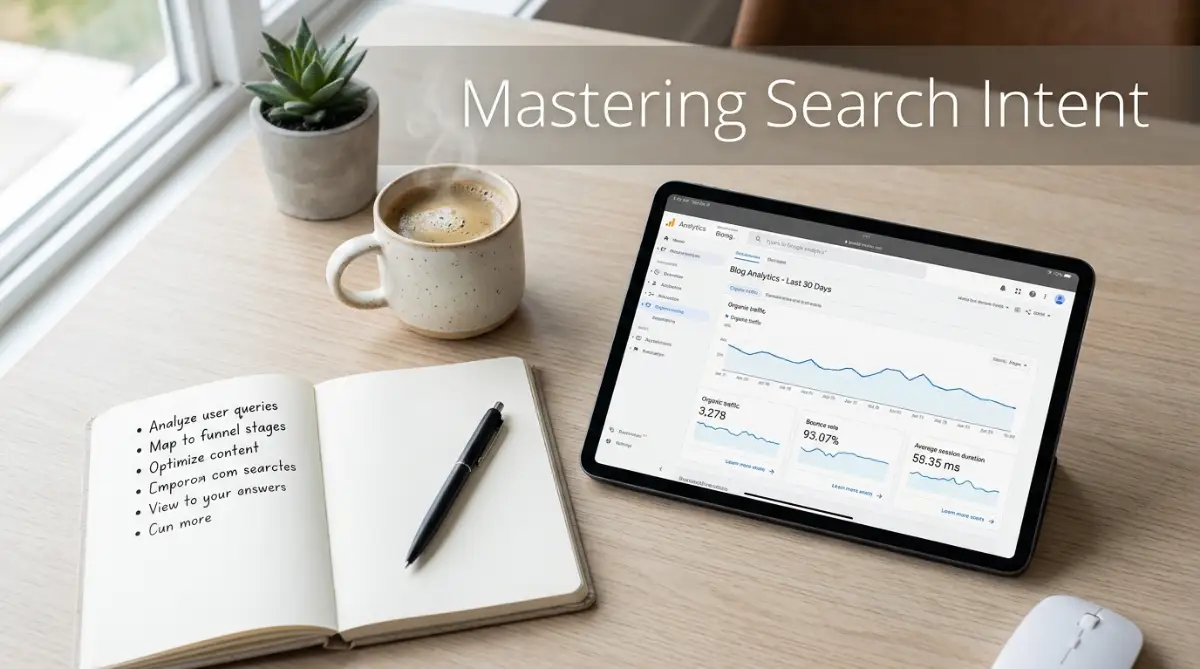
Before you type a single word, you must figure out exactly why someone is typing a query into a search bar. This is known as search intent, and getting it wrong is the fastest way to fail.
If someone searches for "apple," do they want to buy a shiny red fruit, or are they looking for the latest smartphone? You have to look at the current search results to see what the algorithms are favoring.
When you understand the exact problem your reader is facing, you can structure your entire post around solving it. For example, if you are running a personal finance blog helping families with breaking free from education debt, you already know your readers are stressed. They do not want a history lesson on the banking system.
They want clear, actionable steps to lower their monthly payments immediately. Your job is to give them that direct answer in the very first paragraph. Once they see that you understand their pain, they will trust you enough to read the rest of your article.
Organizing Your Thoughts Like a Seasoned Editor
Never start writing with a blank screen. That is a guaranteed way to lose your train of thought and wander off-topic. You need a rock-solid outline before the actual writing begins.
Think of your outline as the skeleton of your article. It holds everything together and ensures your ideas flow logically from one point to the next. Start by listing out all the main questions your reader might have about your topic.
Turn those questions into clear, descriptive subheadings. This breaks your huge topic into small, manageable chunks that are easy to digest. A strong structure also makes it incredibly easy for search engine bots to crawl your page and understand exactly what you are talking about.
If you are explaining complex financial strategies, a well-planned outline prevents your reader from feeling overwhelmed. By organizing your thoughts carefully, you guide your audience by the hand from the introduction all the way to the final thought.
If you struggle with organizing your ideas, watch this quick video below where I share my exact screen and show you how to build a perfect article outline in minutes. Make sure to watch how I set up the headings, and then keep reading the rest of this post to learn how to fill those headings with amazing words!
Writing for Human Eyes First, Algorithms Second
There is a huge misconception that to rank well, you need to sound like a textbook. Nothing could be further from the truth. The most successful websites on the internet sound like a friendly conversation between two people sitting at a coffee shop.
When you write, use words like "you" and "I" to create a personal connection with the reader. Keep your sentences short and punchy. If a sentence takes more than one breath to read out loud, it is definitely too long and needs to be cut in half.
My biggest mistake early on was trying to sound like a smart college professor, which only scared my readers away. Now, I always read my drafts out loud, and if I stumble over my words, I immediately rewrite that part using simpler English. This one simple habit completely changed how long people stayed on my website.
People on the internet do not read; they scan. According to studies on how users read on the web, most visitors will only read about twenty percent of the words on your page. They are aggressively scrolling to find the exact piece of information they need.
To help them, you must use lots of bullet points, numbered lists, and bold text for your main ideas. Just as you would meticulously clean up mistakes on your credit report to improve your financial score, you must aggressively edit your paragraphs to improve your readability score.
Remove any fluffy words that do not add real value to the sentence. Make your points quickly, back them up with a good example, and move on to the next heading.
Proving Your Trustworthiness in Every Paragraph
Today, search algorithms care deeply about who is writing the content. They want to see that you actually know what you are talking about. You need to demonstrate real-world experience and deep knowledge of your subject matter.
You can do this by sharing personal stories, case studies, or specific results you have achieved. Do not just say a method is good; explain exactly what happened when you tried it yourself.
Following Google's helpful content guidelines means proving to your audience that your advice is safe, accurate, and tested. If you are reviewing a product, talk about how it feels in your hands or what small flaws you noticed.
This level of raw honesty builds an incredible amount of trust. Readers are smart, and they can instantly spot the difference between someone who has lived the experience and someone who just copied information from another website.
Next-Level Strategies for Sustained Organic Growth
Getting to the first page is an amazing achievement, but staying there requires a bit of extra effort. As your blog grows, you need to apply advanced techniques to keep your competitors from stealing your spot.
The Power of Semantic Relevance
Forget about stuffing your main keyword into every single paragraph. That old trick will actually get your website penalized today. Instead, you need to focus on semantic relevance and natural language.
This means using words and phrases that naturally belong together in a specific topic. If you are writing about making coffee, you should naturally include words like beans, grinder, brewing, temperature, and filter.
Search engines use these supporting words to confirm that your article is truly comprehensive. It shows that you are covering the topic from every possible angle.
When you naturally weave these related terms into your writing, you often start ranking for dozens of smaller, highly specific search queries without even trying. This brings a steady stream of highly targeted visitors to your site every single day.
Keeping Readers Glued to the Screen
Traffic means nothing if people leave your website after three seconds. You need to maximize the amount of time people spend reading your words. The longer they stay, the more search engines believe your page is the perfect answer to their question.
Start by opening your article with a powerful hook. Ask a surprising question or share a shocking statistic right in the first few lines.
Use open loops to keep their curiosity high. Tell them you will reveal a special secret later in the post, giving them a strong reason to keep scrolling.
Make sure your page loads lightning fast and looks beautiful on a mobile screen. If your text is too small or your images take forever to appear, your reader will hit the back button before they even read your headline.

Silent Traps That Destroy Your Ranking Potential
Many writers work incredibly hard but still fail because they accidentally step into hidden traps. One of the most common mistakes is trying to sound too smart. When you use overly complex vocabulary, you alienate your everyday readers.
Explaining dense topics like student loan consolidation requires simple, everyday language. If your reader has to open a dictionary to understand your paragraph, you have already lost their attention.
Another massive mistake is ignoring the visual layout of your article. Presenting your audience with a gigantic, unbroken wall of text is terrifying to a mobile user. It causes severe eye strain and makes your helpful advice look like a boring college textbook.
Finally, never write an article just because a tool told you a keyword has high traffic. If you do not actually care about the topic, your lack of passion will bleed into your writing. Your audience will sense the boredom, and they will leave to find a writer who actually cares about solving their problem.
Your Roadmap to Becoming a Recognized Authority
Creating a blog that consistently ranks well and generates real income is not a magical talent. It is simply a combination of deep empathy for your reader and a strict adherence to digital formatting rules. You now have the exact blueprint to transform your blank pages into highly valuable digital assets.
Start by treating your next article as an experiment. Pick a specific problem your audience is facing, outline your solution carefully, and write as if you are talking to a close friend. Break your paragraphs down into tiny, readable blocks.
Make your headings bold, clear, and impossible to ignore. Keep practicing this method, and soon, writing high-quality content will become second nature to you.
When you focus on genuinely helping the person on the other side of the screen, the algorithms will naturally follow. Take a deep breath, open up a fresh document, and start typing your next great article today.
I promise you that the feeling of finally seeing those first few organic visitors on your dashboard is worth every bit of the hard work. You already have the knowledge inside your head, so just trust yourself and take that first step. Go open a blank page right now, write down your best ideas, and show the world what you can do!
Disclaimer: The information provided in this article is for educational and informational purposes only. Always comply with the latest content policies provided by Google AdSense and ensure your sharing practices align with the community guidelines of social media platforms like Facebook and Pinterest