The Silent Money Trap I Never Saw Coming
I thought I had perfect finances because I always paid my main credit card on time and kept a decent bank balance. But one afternoon, I confidently applied for a simple apartment lease and got rejected flat out. The leasing agent handed me a piece of paper showing a shockingly low credit score. I was completely humiliated and confused about what went wrong behind my back. It turns out, a tiny forgotten bill had quietly destroyed my financial reputation.
The reality of dealing with a sudden drop in your credit score is incredibly painful and stressful. Normal people like you and me are walking around thinking everything is perfectly fine with our money. Then, out of nowhere, you get denied for a car loan, a mortgage, or even a basic cellphone plan.
It completely ruins your mental peace when you realize invisible mistakes are draining your financial trust. You spend hours lying awake in bed, wondering how a system designed to measure your money habits can be so unforgiving. The stress leaks into your daily life, making you snap at your loved ones over the smallest things.
Everyday families are forced to pay ridiculously high interest rates just because of a silly oversight. You end up handing over hundreds of extra dollars a month to banks, money that should have gone toward your children or a nice family vacation. It feels like you are being punished for a crime you did not even know you committed.
This invisible trap leaves you feeling completely powerless against giant financial institutions. You try to call customer service lines, only to be transferred to robotic voices that offer zero actual help or empathy. Your confidence hits rock bottom when you realize your entire financial identity is judged by a simple three-digit number.
The worst part is the heavy sense of shame that comes with a bad credit rating. You feel embarrassed to talk about money with your friends, hiding your rejections behind fake smiles. It is a lonely, frustrating struggle that quietly steals your happiness and keeps you trapped in a cycle of constant financial anxiety.
Unexpected Daily Habits Secretly Ruining Your Score
Now that we know how awful it feels to be blindsided by a bad score, we need to fix the root cause. You might believe that only huge financial disasters like bankruptcy or massive credit card debt can hurt your rating. However, the real danger usually comes from small, everyday activities that you barely even think about.
Let me break down the most surprising everyday things impacting your credit report right now. I will show you exactly how credit bureaus view your daily habits and what you can do to protect your hard-earned money starting today.
The Gym Membership Trap You Completely Forgot About
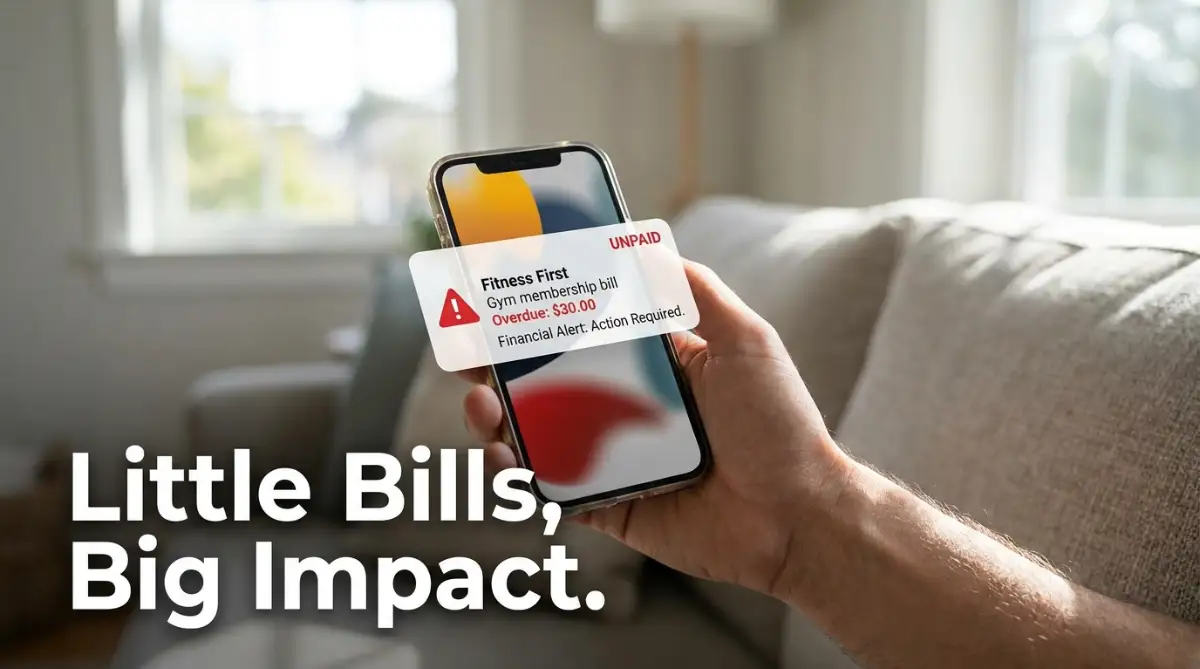
We all have those moments where we sign up for a gym in January and completely stop going by March. Instead of officially canceling the contract, many of us just delete our payment card from the app or block the charge at the bank. You probably assume that if you stop paying, they will just cancel your membership automatically.
This is a huge mistake that catches thousands of people off guard every single day. Gyms operate on strict legal contracts, and they will continue billing your account even if you never walk through their doors. Once your unpaid balance gets high enough, the gym will sell your debt to a third-party collection agency.
As soon as a collection agency gets involved, your credit score takes a massive nosedive. A single collection account can drop a healthy score by up to 100 points in just a few days. The smartest move you can make today is to formally cancel any unused subscriptions in writing and get a confirmation email for your records.
Switching Internet and Utility Providers Too Fast
Everyone loves finding a good deal on their home internet or electricity bill. You might be the type of person who switches utility providers every few months to grab those sweet promotional discounts. While saving money is a great habit, jumping between companies too often sends a hidden red flag to credit bureaus.
Almost every time you sign up for a new internet, cable, or power service, the company performs a "hard inquiry" on your credit file. They do this to make sure you have a history of paying your bills before they lend you their expensive equipment. A hard inquiry naturally drops your score by a few points, and these small drops add up very quickly.
If you apply for five different services within a short time, you look desperate for credit in the eyes of the scoring algorithm. Think of your credit report like a financial resume. If an employer sees you changing jobs every two weeks, they will naturally doubt your reliability. Always try to space out your new utility applications by at least six months to keep your file looking stable.
Common Myths vs Real Facts About Credit Reporting
Buy Now, Pay Later Apps Are Not Always Your Friend
Online shopping has completely changed the way we manage our monthly cash flow. Services that let you split a simple purchase into four easy payments feel like a wonderful financial tool. You might use these apps to buy clothes, shoes, or even weekly groceries without thinking twice.
What you probably do not realize is how these apps secretly interact with your credit report. Many of these services do not report your positive, on-time payments to the credit bureaus. This means you do not get any reward for being a responsible buyer.
However, if you miss a payment or your linked debit card declines, they will absolutely report the negative mark. You are basically taking all the risk of a traditional loan with none of the credit-building benefits. If you want to build a strong financial profile, using a traditional credit card and paying it off completely each month is a much safer strategy.
The Silent Threat of Unpaid Parking Tickets
Getting a parking ticket is annoying, but most of us just toss the paper in the glovebox and forget about it. You might think that a simple city parking violation has absolutely nothing to do with your banking life. Unfortunately, local governments have become extremely aggressive about collecting their money.
When you ignore a parking ticket or an automated toll booth fine, the city eventually sends your file to a collection agency. Just like the gym membership we talked about earlier, this collection account goes straight onto your permanent record. It is incredibly frustrating to lose a great interest rate on a house just because of a fifty-dollar parking mistake.
Make it a solid habit to pay off city fines the exact same week you get them. If you feel the ticket was unfair, go through the proper legal steps to dispute it in court. Never ignore official mail, because burying your head in the sand will only make the financial damage much worse.
Let me share a quick secret about co-signing that I learned the hard way. I once tried to help my cousin by co-signing a simple apartment lease, thinking it was just a friendly formality to get him approved. When he missed a single payment, my own credit score tanked by 40 points instantly without any warning. My biggest realization is that you can love your family dearly, but you should never mix your credit profile with their daily financial habits.
Medical Bills You Thought Your Insurance Handled
Healthcare is complicated, and the billing process is often a total mess for regular patients. You might visit a doctor, hand over your insurance card, and assume everything is fully covered behind the scenes. Months later, you might receive a strange bill in the mail that looks like a mistake.
Many people ignore these letters, assuming their insurance company will eventually sort it out. While you are patiently waiting, the hospital's billing department runs out of patience and marks your account as overdue. Medical debt collections are one of the most common surprises people find when they finally check their reports.
If you are still confused about how these tiny, invisible bills end up on your official credit file, this quick breakdown will completely change how you view your monthly expenses. Watch this short guide below to see exactly what the credit bureaus do not want you to know!
The good news is that recent rule changes give you a bit more protection regarding medical debt. However, you still need to be proactive and call your insurance company the moment you see a suspicious bill. Keep detailed records of who you spoke with and the date of the conversation, so you have proof if the dispute escalates.
Renting a Car Using Only a Debit Card
Traveling should be fun and relaxing, but renting a vehicle can sometimes leave a hidden mark on your record. When you go to a rental car counter, they strongly prefer that you use a major credit card. If you insist on using a debit card, the rental company views you as a higher financial risk.
To protect their expensive vehicles, many rental agencies will perform a hard credit check right there at the counter. They want to review your payment history before handing over the keys. Just like applying for a new loan, this hard inquiry will knock a few points off your score.
If you travel frequently and use a debit card for every single rental, these inquiries will pile up and cause serious damage. The easiest way to avoid this trap is to book your rental cars with a dedicated credit card. You can simply pay the balance off the next day using your checking account, keeping your credit file completely safe from random hard pulls.
Closing Your Oldest Credit Card Account
Sometimes, doing what feels like the responsible thing can actually backfire on you. Many people decide to clean up their finances by cutting up and closing credit cards they no longer use. You might think that having fewer open accounts makes you look like a safer, more responsible borrower.
The credit scoring algorithm actually views this action in the exact opposite way. A huge part of your score is based on the length of your credit history. When you close your oldest account, you are basically wiping away years of good behavior from your active profile.
Closing an account also destroys your credit utilization ratio. This ratio measures how much total credit you have available compared to how much you are actually using. If you close a card with a high limit, your total available credit drops, making your current balances look dangerously high to lenders.
Instead of closing that old card, just use it once every few months for a small purchase like buying coffee. Set it up on autopay so you never miss a due date. This simple trick keeps the account active, preserves your long financial history, and keeps your utilization ratio in a healthy, attractive range for future lenders.
Next-Level Strategies to Shield Your Financial Identity
If you want to keep your score in the top tier, you have to start thinking a few steps ahead of the banks. Most regular folks only look at their financial profile when they are about to apply for a new loan. The real secret to winning this money game is playing defense every single month.
I want to share some incredibly effective daily habits that completely transformed how lenders look at my profile. These are not tricky gimmicks, but rather smart money moves that give you complete control over your public financial reputation. Let us explore exactly how you can build an unbreakable wall around your money.
The Magic of the Mid-Cycle Micropayment
You already know that paying your credit card bill on time is incredibly important. However, you might not know exactly when your bank reports your current balance to the major reporting bureaus. Most people wait until their official due date to make their monthly payment.
Here is the secret: banks usually report your balance on your statement closing date, which happens a few weeks before your actual due date. If you spend heavily and wait until the due date to pay it off, your report will show a dangerously high balance. This makes your credit utilization ratio look absolutely terrible to other lenders.
To fix this, you should log into your banking app and make a "micropayment" right before your statement closing date. By paying down your balance early, the bank reports a tiny number to the bureaus. This simple timing trick can instantly boost your score because it makes you look like a highly responsible, low-risk borrower.
Putting Your Credit File on Ice
One of the absolute smartest things you can do today is place a permanent security freeze on your credit files. Identity theft is happening every single minute, and scammers are always trying to open new accounts using stolen information. A security freeze completely locks your file so nobody can view it or open new loans.
When you want to apply for a new apartment or buy a car, you simply log into the bureau's app and temporarily "thaw" your file for a few hours. It is completely free to freeze and unfreeze your files, and it takes less than five minutes on your phone. This completely stops bad actors in their tracks and gives you incredible peace of mind.
According to guidelines from the Federal Trade Commission on consumer protection, setting up a fraud alert or freeze is the single most effective way to block unauthorized accounts. I personally keep all three of my main files frozen year-round. I only lift the freeze when I am sitting physically inside a bank ready to sign paperwork.
Strategically Becoming an Authorized User
If your score needs a fast rescue, you can ask a trusted family member for a little invisible help. This strategy is called "piggybacking," and it involves someone adding you as an authorized user on their oldest credit card. You do not even need to carry the physical card in your wallet for this to work.
When they add your name, the entire positive payment history of that specific card gets copied onto your personal report. Suddenly, you benefit from years of perfect payments and a huge credit limit that you did not have to earn yourself. It is a fantastic way to jumpstart your profile if you have a thin or weak financial history.
However, you must be incredibly careful when choosing who to ask for this favor. If your family member misses a payment or maxes out their card, that negative damage will also copy directly over to your file. Always make sure you only partner up with someone who manages their money perfectly.
Negotiating "Pay for Delete" Agreements
Sometimes life gets tough, and a small medical bill or forgotten fee ends up in collections. Most people panic, pay the collection agency immediately, and assume the problem is totally solved. Unfortunately, a paid collection account still leaves an ugly scar on your report for up to seven years.
Instead of just handing over your money, you need to call the collection agency and negotiate a "pay for delete" agreement. You basically offer to pay the debt in full, but only if they agree in writing to completely erase the account from your credit file. Collection agencies buy your debt for pennies, so they are often highly motivated to make a deal.
Make sure you get their promise on official company letterhead before you ever hand over your debit card number. If you are struggling to keep enough cash on hand for these kinds of unexpected negotiations, you should focus on building a cash buffer while fighting debt. Having a little extra money gives you the power to negotiate from a position of total strength.

Destructive Money Habits That Trap Good People
Even when you know the right things to do, it is incredibly easy to fall into hidden financial traps. Many people ruin years of hard work by making quick, emotional decisions with their money. You have to learn how to spot these dangers before they completely wreck your financial stability.
When your score drops because of a silly mistake, it feels like all the doors in your life suddenly slam shut. You will be forced to pay insane security deposits just to get basic utilities turned on in a new home. Let us walk through the most dangerous pitfalls that catch normal people completely off guard.
The Emotional Disaster of Co-Signing a Loan
We all want to help our friends and family when they are going through a rough patch in life. If your sibling asks you to co-sign an auto loan because their score is too low, your heart naturally wants to say yes. You probably think you are just vouching for their character by signing that piece of paper.
The brutal reality is that co-signing means you are taking on one hundred percent of the financial responsibility. The bank does not care about your personal relationship; they just want a second person to legally chase for the money. If your sibling loses their job and misses just one single payment, your own credit score will immediately crash.
I have seen families completely fall apart because a well-meaning parent co-signed an apartment lease for a child. When things go wrong, you might find yourself navigating the legal system for safe personal protection just to separate yourself from the debt. The absolute safest answer you can give when asked to co-sign is a firm and loving "no."
Falling for Fake Credit Repair Scams
When people are desperate to fix a terrible rating, they often look for fast, magical solutions online. You will see hundreds of ads from shady companies promising to erase all your bad debt and boost your score overnight. They usually charge massive upfront fees and claim they have secret inside connections at the reporting bureaus.
These companies are almost always running dangerous dispute scams that will end up hurting you more. They usually just spam the bureaus with thousands of fake dispute letters, which might temporarily hide a negative mark. Once the bureaus realize the disputes are fake, the negative accounts pop right back onto your report.
Instead of paying a shady company, you should handle disputes yourself using official channels. According to the Consumer Financial Protection Bureau's guide on disputes, you have the legal right to challenge any wrong information completely for free. Doing the hard work yourself ensures the corrections are permanent and legal.
Maxing Out Cards for the Rewards Points
Credit card companies are incredibly smart marketers who know exactly how to tempt you into spending more money. They offer amazing cash-back rewards, free hotel stays, and fancy airline miles just for using their plastic. Many people decide to put every single daily expense on their card just to chase those sweet rewards points.
While earning points is fun, maxing out your credit limit every month destroys your utilization ratio. Even if you pay the entire balance off on time, the reporting algorithm still sees a maxed-out card and flags you as a risky spender. The damage to your overall score usually costs way more in future interest rates than the tiny amount you earned in cash back.
If your dream is mastering your first property purchase soon, you cannot afford to let high balances sit on your report. A bad utilization ratio can easily push your mortgage interest rate up, costing you thousands of extra dollars over time. Keep your balances low, and treat those reward points as a tiny bonus, not a lifestyle.
Ignoring Small Errors on Your Report
You would be absolutely shocked to learn how many official credit files contain massive errors. The major bureaus handle millions of data points every day, and they frequently mix up files belonging to people with similar names. You might suddenly see a defaulted car loan on your record that actually belongs to a total stranger in another state.
Many folks check their report, spot a strange old account, and just assume it will go away on its own. They think that because they did not open the account, they do not have to worry about the consequences. This lazy mindset is incredibly dangerous and will actively destroy your financial future.
You need to treat your credit report like your personal health record and aggressively fix any mistakes you find. If you notice a strange address or a misspelled name on your file, dispute it immediately in writing. Letting an error sit on your file means you are basically accepting responsibility for someone else's financial mess.
Taking on Bad Debt to Build History
There is a very common myth that you have to pay massive amounts of interest to build a good rating. I have actually heard people say they carry a credit card balance on purpose just to show the banks they are active. They end up throwing away hundreds of dollars in interest fees for absolutely no logical reason.
You do not ever need to go into heavy debt just to prove you are a responsible adult. Lenders actually love it when you use a card and pay it off completely to zero every single month. This proves you are highly disciplined and know exactly how to manage your monthly cash flow.
If you are currently trying to figure out understanding your mortgage amortization schedule, you will realize just how much interest drains your wealth. Never pay a bank a single penny of interest if you do not have to. You can easily build a perfect 800+ score by just buying your normal groceries and paying the bill the next day.
Consolidating Debt Without Changing Your Habits
When your monthly payments start getting overwhelming, taking out a consolidation loan feels like a massive relief. You take all your separate credit card bills and combine them into one simple, lower monthly payment. The moment those credit cards hit a zero balance, your score usually shoots up immediately.
However, this is where the biggest mental trap completely destroys people's progress. Seeing all those zero balances on your old credit cards makes you feel rich and completely debt-free. Before you know it, you start using those old cards again for daily shopping while still paying off the new consolidation loan.
This is a classic trap that leads straight to bankruptcy because you have now doubled your actual debt load. If you are focused on securing a personal bank loan without putting up collateral to consolidate your bills, you must physically lock away your credit cards immediately. You have to fix the emotional spending habits that caused the mess, or the new loan will just become a heavier chain around your neck.
Your Roadmap to Financial Freedom Tomorrow
Taking control of your public financial identity does not have to be a scary or exhausting process. Every massive problem can be solved if you just break it down into tiny, manageable daily steps. You now have the exact knowledge needed to protect your hard-earned money from invisible mistakes and silent traps.
Start tomorrow by simply downloading your official reports and reviewing them with a fresh cup of coffee. Look for those tiny forgotten subscriptions, dispute any weird medical bills, and set up calendar reminders for your micropayments. By taking these small actions consistently, you are building an incredibly strong financial foundation for your family's future.
I remember sitting at my kitchen table years ago, absolutely terrified to even open my banking app. My biggest breakthrough happened when I simply stopped viewing my score as a punishment and started treating it like a fun game I could win with patience. Keep your chin up, stay incredibly disciplined, and watch your financial confidence grow stronger every single day!
Common Questions About Managing Your Credit Profile
Does checking my own credit report lower my score?
Checking your own score through a monitoring app is known as a "soft inquiry" and never hurts your profile. You can check your own numbers every single day if you want to, and it will not drop your score by a single point. It is only when a lender checks your file for a new loan that you get a "hard inquiry" which drops your score slightly.
How fast can my score go up after paying off a big balance?
Most credit card companies send updated balance information to the major bureaus once every thirty days. If you pay off a massive chunk of debt today, you will usually see a big jump in your score within four to six weeks. It just depends on the exact date your specific bank updates their records.
Will getting married automatically merge my credit score with my partner's?
No, your financial profile is tied permanently to your own personal Social Security number, not your relationship status. Getting married does not combine your files, and you will both continue to have completely separate scores. However, if you open a new joint loan together, that specific account will show up on both of your individual reports.
Do unpaid library fines or parking tickets actually matter?
Yes, any unpaid local fine can eventually be sold to a third-party collection agency if you ignore it long enough. Once a collection agency reports that debt to the bureaus, it will cause severe damage to your profile. You should always pay off small municipal fines immediately to protect your overall financial health.
Can I remove accurate but negative information from my report?
If you actually missed a payment and it is correctly reported, you cannot legally force the bureaus to remove it. Legitimate negative marks usually stay on your record for up to seven long years. However, their impact on your score slowly fades away over time as you add newer, positive payment history on top.
Disclaimer: The information provided in this article is for educational and informational purposes only and should not be construed as professional financial advice. Every individual's financial situation is entirely unique. Always consult with a certified financial planner or a professional credit counselor before making major changes to your debt management strategies or financial life.