The Silent Nightmare: How a Simple Signature Ruined My Peace of Mind
Ever stared at a seemingly harmless loan contract and thought, "This extra cash will easily save my month"? I definitely did. But that one quick signature on a shiny bank brochure quietly wiped out my savings for the next three years. Lenders know exactly how to hide awful terms behind friendly smiles and tiny print. Let me show you exactly how these money traps work behind the scenes, and how you can flip the script to protect your paycheck.
My phone started ringing at all hours of the day. Every unknown number made my heart race, and I would hold my breath until the ringing finally stopped. It is terrifying how quickly a financial mistake can steal your daily peace of mind and turn your home into a place of stress.
I stopped opening my mail altogether. The anxiety paralyzed me, and the deep shame of falling for such an obvious trick kept me from telling my own family. I felt completely alone, drowning in financial numbers I did not fully understand.
This is exactly what lenders count on when they hand over that heavy stack of paperwork. They know most of us never learned how to read complex financial jargon in school. We see a low monthly payment and instantly think we are getting a great deal.
Reality Check: The 400% Trap
Did you know that the average payday loan carries a massive APR of nearly 400%? According to the Consumer Financial Protection Bureau (CFPB), about 80% of these loans are rolled over or renewed within just 14 days. You aren't just borrowing money; you are buying a subscription to permanent debt.
Everyday people just like you and me are losing their sleep, their relationships, and their mental health over this exact situation. The constant worry about making the next payment drains your energy and makes it impossible to focus on your work or your loved ones.
Snapshot: What You Will Learn in This Guide
- The APR Secret: Why you should always ignore the monthly payment and check the True APR first.
- Spotting Traps: How to identify predatory payday loans and dangerous balloon payment structures.
- Negotiation Power: The exact script you can use today to ask your credit card company for a lower rate.
- Consumer Rights: How to legally stop aggressive debt collectors from blowing up your phone.
Peeling Back the Curtain: The Psychology of Predatory Lending
We often blame ourselves for falling into heavy debt. However, billion-dollar institutions spend massive amounts of money studying human psychology. They know exactly which emotional buttons to push to make us borrow much more than we can afford.
Think about the last time you received a "pre-approved" credit card offer in the mail. It makes you feel special and chosen, right? That feeling is absolutely intentional and heavily researched.
They design these letters to look like exclusive invitations to a better life. The bright colors and bold texts highlight how much money you can access instantly. This perfectly plays on our natural human desire for instant gratification.

Once you take the bait, the real money-making machine turns on behind the scenes. They hide the true cost of borrowing deep inside pages of tiny text that no normal person has the time or energy to read. By the time you realize what is happening, they have already trapped you in a cycle of never-ending interest payments.
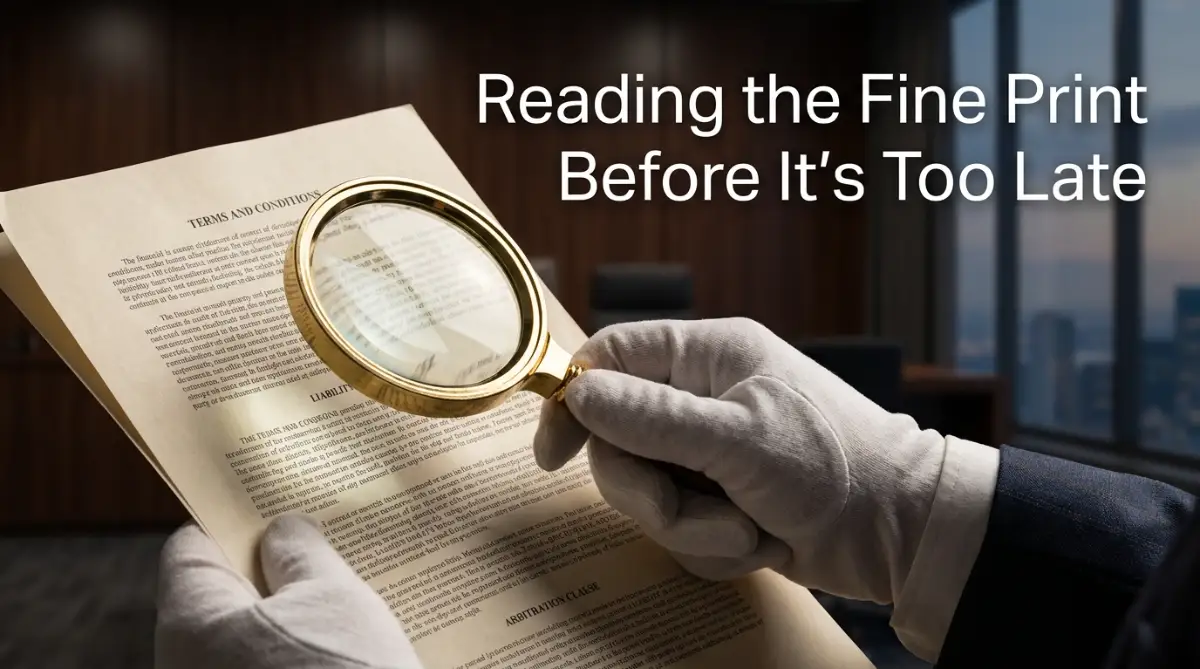
The Illusion of the "Low Monthly Payment"
The most common trick in the lending playbook is focusing your attention purely on the monthly payment. A car salesman or loan officer will constantly ask, "How much can you afford to pay each month?"
This sounds like they deeply care about your monthly budget, but it is actually a psychological trap. By stretching a loan over five, six, or even seven years, they can make the monthly number look incredibly tiny and harmless.
But what they conveniently forget to tell you is that you will end up paying double or sometimes triple the original amount you borrowed. You are essentially paying a massive premium just for the illusion of affordability.
Myth vs Reality:
- The Myth: A low monthly payment means the loan is cheap and easily affordable for your budget.
- The Reality: A low monthly payment usually hides an extended repayment term loaded with heavy compound interest.
Taking Back Control: Smart Strategies to Outsmart Banks
You do not need an advanced finance degree to protect yourself from these traps. You just need to understand a few basic rules that banks hope you never figure out. Let us break down exactly how you can spot a terrible deal before you ever sign your name.
Decoding the APR (Annual Percentage Rate) Mystery
If you only look at one number on a loan document, make absolutely sure it is the APR. The interest rate they advertise on TV is often just a shiny distraction. The APR tells you the actual, real-life cost of borrowing that money.
Let us imagine you are buying a new laptop on an installment plan. The electronics store might proudly advertise a "0% interest rate" for the first six months. It sounds like free money, which immediately drops your guard and makes you want to buy.
But if you look closely at the APR, it includes all the hidden processing fees, origination fees, and sneaky penalties. Once that short promotional period ends, the APR might shoot up to an insane number that ruins your budget.
Quick Breakdown: Interest Rate vs. True APR
To show you exactly how this trick works, here is a simple breakdown of a $5,000 personal loan over 3 years:
Always ask the lender to clearly show you the APR in writing. If they hesitate or try to change the subject back to the monthly payment, grab your ID and walk right out the door. That is a massive red flag indicating a bad deal.
If you are still a bit confused about how hidden fees work, watch this incredibly simple breakdown that finally made the math click for me.
Beware of the Minimum Payment Quicksand
Credit card companies are the absolute masters of the minimum payment illusion. When you get your statement in the mail, the "Minimum Payment Due" is highlighted in big, bold letters. It usually looks like a very manageable and friendly amount.
They want you to pay only the minimum. Why? Because the rest of your heavy balance rolls over to the next month, and they get to charge you extra interest on top of your existing interest.
This creates a snowball effect that is nearly impossible to stop once it gains real momentum. If you only pay the minimum on a large balance, it could easily take you decades to clear the original debt.
To fight back, always calculate what you can actually afford to pay above the minimum requirement. Even throwing an extra twenty dollars a month at the principal balance can shave years off your repayment timeline.
The Hidden Dangers in "No Credit Check" Loans
When you are desperate for cash, a bright neon sign that says "No Credit Check Required" looks like a true lifeline. Payday lenders and title loan companies intentionally set up shop in neighborhoods where people are struggling financially.
These places do not check your credit because they honestly do not care if you can actually afford to pay them back. They just want access to your next paycheck or the legal title of your car.
I learned this the hard way when I took a small advance on my paycheck to cover a broken window. I thought I would easily just pay it off the following week when I got paid. Instead, another unexpected expense popped up, and I had to roll the loan over, causing my original small debt to triple in just two months. That single painful mistake taught me to always build a tiny emergency fund, even if it is just five dollars a week, so I never have to walk into one of those stores again.
The fees on these types of emergency loans are absolutely astronomical. If you translate their flat fees into an APR, it often reaches into the triple digits. It is legal robbery wrapped in a friendly, smiling customer service experience.
Practical Scenario: The Payday Pitfall
Let us say your car breaks down, and you desperately need quick cash to fix it so you can get to work. You borrow a small amount from a payday lender with a flat fee attached to the principal.
When your next paycheck finally arrives, you have to pay rent, buy groceries, and repay the loan plus the heavy fee. Most people simply do not have enough money left over to survive. They are immediately forced to borrow again just to make it through the week.
This toxic cycle repeats endlessly without you ever making progress. The lender keeps collecting fees every single time you renew the loan. You end up paying them back the original amount many times over without ever reducing the main balance.
Reading the Fine Print Like a Professional Detective
Loan agreements are purposely designed to be highly intimidating and confusing. They use tiny fonts and thick paragraphs of legal jargon to make your eyes glaze over with boredom. The ultimate goal is to make you give up and just sign the paper.
Do not let them rush you through the process. Take the contract home to read if you have to. Grab a bright highlighter and look for specific terms that could easily ruin your financial future.
First, heavily search for the term "Prepayment Penalties." Believe it or not, some lenders will actually charge you a massive fee for being responsible and paying off your loan early. They do this to guarantee they get all the interest they originally expected from you.
If you clearly see a prepayment penalty clause, ask them to remove it immediately. If they refuse to negotiate, you know exactly what kind of greedy company you are dealing with. You should walk away without any regrets.
Spotting the "Balloon Payment" Trap
Another sneaky tactic you need to watch out for is the balloon payment structure. This usually happens with tricky personal loans or specific types of risky mortgages. The lender happily promises you extremely low payments for the first few years of the agreement.
It feels like you are getting away with an absolute steal. You enjoy having the extra cash in your pocket every single month. But the trap is silently waiting for you at the end of the loan term.
Suddenly, the entire remaining balance becomes legally due in one massive lump sum. They call this the balloon payment, and it usually pops your financial stability in a matter of seconds.
If you do not have that large sum of cash sitting ready in the bank, the lender will graciously offer to refinance the debt. Of course, this means paying new processing fees, accepting new interest rates, and starting the miserable cycle all over again.
Always ask the loan officer directly, "Will my payments remain exactly the same for the entire life of this loan?" Make them clearly point out the exact sentence in the contract that legally guarantees your fixed payments.
How to Rebuild Your Financial Defense System
The only real, lasting defense against predatory lending is solid personal education. When you actually understand how money works, you become completely immune to their psychological tricks and marketing gimmicks.
You do not need to read heavy economic textbooks to get smart about your hard-earned money. Start by getting very familiar with the basic math behind compound interest.
Compound interest can be your best friend if you are actively investing for retirement. However, it is your absolute worst enemy when you are borrowing money from a bank. It essentially means you are constantly paying interest on top of the interest you already owe them.
Think of it exactly like a small snowball rolling down a steep snowy hill. It starts out small and harmless, but as it rolls, it heavily picks up more snow, growing larger and heavier. Before long, it turns into an unstoppable avalanche that destroys everything in its path.
That is exactly how untreated credit card debt works. If you leave a balance on your card, the heavy interest gets added to your total debt. The very next month, you are charged interest on that new, much larger total.
Simple Habits to Protect Your Wallet
Start tracking every single thing you spend money on for just one full month. You do not need a fancy mobile app; a simple paper notebook will do just fine for this exercise.
Writing down your daily expenses forces you to face the honest reality of where your money actually goes. It immediately breaks the comforting illusion that you always have "a little extra" to spend on credit.
Next, put a freeze on your credit reports if you are not actively looking to borrow money. This stops unauthorized lenders from checking your score and prevents identity thieves from opening fake accounts in your name.
It also acts as a powerful psychological barrier for you. If you get tempted by a flashy store credit card offer at the checkout counter, you literally cannot get approved on the spot. That short cooling-off period is usually enough to make you reconsider the impulsive purchase entirely.
Lenders strongly prey on impulsivity and rushed decisions. By creating small speed bumps in your financial life, you give your logical brain a fighting chance to catch up with your emotions.
Understanding Your Rights as a Consumer
Many people stuck in these debt traps endure daily harassment from aggressive debt collectors simply because they do not know their rights. You actually have powerful consumer laws on your side to protect you from these abusive tactics.
Debt collectors are absolutely not allowed to call you at unreasonable hours of the night. They cannot legally threaten you with physical harm, and they certainly cannot lie to you about the actual amount you owe.
If a collector ever uses these aggressive tactics, you have the full legal right to report them. Always keep detailed written records of every phone call, including the date, time, and the name of the specific person you spoke with.
You can also send a written "cease and desist" letter officially requesting them to stop contacting you. Once they receive this formal letter, they are legally required to stop calling your phone, though they can still pursue legal action through the courts.
Knowing these rights completely shifts the power dynamic in your favor. You instantly go from being a scared victim hiding from the phone to an empowered consumer who demands basic respect.
Never let a lender or a collector make you feel inferior or ashamed. They are providing a financial service, and you are the paying customer in this relationship. If they treat you poorly, take your business and your money somewhere else.
Building a Defensive Safety Net
The main reason we fall for predatory loans in the first place is a sudden, unexpected lack of cash during an emergency. When the roof leaks or a medical emergency strikes, pure desperation makes us blind to bad terms.
This is exactly why having a small cash reserve is your greatest weapon against these debt traps. It does not need to be thousands of dollars right away to be effective.
Start by saving just enough cash to comfortably cover a minor car repair or a small, unexpected medical bill. Having that physical buffer means you will not have to reach for a high-interest credit card when life throws a curveball at you.
Try automating your savings process to make it entirely effortless. Set up your bank account to automatically transfer a small amount of money to a separate savings account the exact day you get paid. You will not even miss the money if you do not see it sitting in your checking account.
Over time, this very small habit builds a strong financial fortress around you and your family. It gives you the ultimate luxury in life: the ability to easily say no to predatory lenders when you are in a tight spot.
Financial illiteracy is not a personal failure; it is a massive systemic issue that affects millions of hardworking people. We are simply never taught these essential survival skills in our regular school classrooms. But today, you are actively taking the power back into your own hands by learning the rules of the game.
Leveling Up: Expert Tactics Lenders Keep Hidden from You
Once you understand how the basic debt game works, it is time to switch from defense to offense. Financial institutions rely heavily on your silence and your fear of confrontation. They naturally assume you will just keep paying those ridiculous fees without ever asking any questions.
But what if I told you that you actually have the power to negotiate your own terms? It is completely true, and it is a secret that most banks guard very closely. You can actually call your credit card company today and simply ask them to lower your interest rate.
It sounds almost too easy to be real, but it works surprisingly often. If you have been making your minimum payments on time for a few months, you hold some serious bargaining power. You just have to pick up the phone and remind them that you are a valuable customer who has other options.
I always tell my friends to use a very specific script when they make this phone call. You can say, "I have been reviewing my monthly expenses, and my current interest rate is just too high compared to other offers I am receiving." This single sentence politely threatens that you might take your business somewhere else.
If the first customer service agent says no, do not get discouraged or hang up angrily. Simply ask to speak with their customer retention department instead. Those specific agents actually have the authority to lower your rates and waive your annoying annual fees to keep you happy.
Mastering the Balance Transfer Strategy
If your credit card company refuses to lower your rate, you have to take matters into your own hands. This is where a strategic balance transfer becomes your absolute best friend. A balance transfer is essentially moving your high-interest debt over to a brand new card that offers a 0% introductory rate.
This tactic acts like a pause button on your financial bleeding. Suddenly, every single dollar you send to the bank goes straight toward paying down your actual balance. You are no longer throwing your hard-earned money away on heavy interest charges.
However, you have to treat this strategy with extreme caution and discipline. That 0% promotional window usually only lasts for a few months before it spikes back up to a massive rate. You must build a strict personal budget to pay off that specific balance before the promotional timer runs out.
If you are struggling to map out those exact payments, you really need to look into having your amortization schedule explained so you can see exactly where every penny is going. Visualizing your repayment timeline makes the entire journey much less intimidating.
Knowing Your Legal Shield
Another powerful secret is understanding the laws that heavily restrict what lenders can and cannot do to you. Debt collectors love to use fear and intimidation because they assume you do not know any better. But the moment you start quoting actual consumer laws, they quickly change their aggressive tone.
You should absolutely take the time to review your official consumer financial rights to see exactly how you are legally protected. If a collection agency calls your workplace after you told them to stop, they are breaking federal law. You can actually sue them and win financial compensation for their illegal harassment.
Having this knowledge completely flips the dynamic of power. You go from feeling helpless and scared to feeling completely in control of your financial destiny. If things ever get truly messy and lenders try to take you to court, you must understand the basics of navigating the legal system to keep yourself fully protected.

The Danger Zone: Everyday Money Habits That Destroy Wealth
Even the smartest people fall into specific financial potholes that ruin their progress. The biggest problem is that these money mistakes rarely look like mistakes at first glance. They usually disguise themselves as harmless little treats or convenient shortcuts that eventually turn into massive disasters.
We live in a society that constantly tells us we deserve the newest gadgets, the fanciest dinners, and the best vacations right now. This constant pressure leads to some very destructive daily behaviors. Let us walk through the most dangerous money traps so you can spot them from a mile away.
The "I Deserve It" Spending Trap
This is arguably the most common psychological trap that keeps hardworking people completely broke. After a highly stressful week at work, your brain naturally craves a quick emotional reward. You might swipe your credit card for a very expensive dinner, telling yourself, "I work hard, so I definitely deserve this treat."
While it is absolutely true that you deserve to enjoy your life, borrowing money for temporary happiness is a terrible trade. The fancy meal lasts for about an hour, but you might be paying off that specific dinner bill for the next three months.
Every time you rely on credit for an emotional boost, you are essentially stealing money from your future self. You are actively forcing the future version of you to work even harder just to pay for a memory you probably forgot about.
Recent studies from the Journal of Consumer Affairs show that emotional spending is the leading cause of sudden debt spirals. To break this toxic habit, try enforcing a strict 48-hour cooling-off period before buying any non-essential items. If you still genuinely want the item after two days, you can buy it with cash instead of credit.
Falling for the "Easy Debt Consolidation" Illusion
When you are juggling five different credit cards and missing your due dates, desperation kicks in. You start searching the internet for a quick fix and stumble across flashy advertisements for debt consolidation programs. They promise to magically roll all your messy debts into one single, friendly monthly payment.
This sounds like a dream come true, but it often becomes a much bigger nightmare. Many of these shady companies charge outrageous upfront fees just to open an account for you. To protect yourself from these traps, you need to learn how to identify deceptive debt relief scams before handing over your personal information.
The main problem with debt consolidation is that it treats the symptom but completely ignores the root disease. If you consolidate your cards but do not change your emotional spending habits, you will just rack up new debt on the old cards.
Suddenly, you have a massive new consolidation loan to pay, plus your freshly maxed-out credit cards. You have successfully doubled your total debt without even realizing how it happened. Before you even think about consolidating, focus on building a cash buffer while fighting debt so you stop relying on credit cards for everyday emergencies.
Co-Signing a Loan for Family or Friends
This specific mistake ruins both your bank account and your personal relationships at the exact same time. Your favorite cousin might beg you to co-sign on a shiny new car because their credit score is terrible. Because you love them and want to help, you gladly sign the paper without reading the terms.
What you do not realize is that the bank demanded a co-signer because their complex math proves your cousin is highly likely to default. By signing that paper, you are legally promising the bank that you will pay every single penny if your cousin stops paying.
If your cousin misses just one single payment, your own personal credit score takes a massive nosedive. The bank will not hesitate to call your phone, send letters to your house, and even garnish your wages to get their money back.
Never co-sign a financial document unless you are completely willing and able to pay the entire balance yourself. If you genuinely want to help a loved one, just give them cash as a personal gift with no strings attached. Mixing family emotions with heavy legal contracts is always a recipe for complete disaster.
Ignoring the Mail and the Warning Signs
When the debt gets too heavy, human nature tells us to just hide from the problem. We start throwing the colorful bank envelopes straight into the trash can without opening them. We put our phones on silent mode to avoid the aggressive calls from unknown numbers.
This strategy of active avoidance is the absolute worst thing you can possibly do for your financial health. Ignoring a legal debt does not make it disappear; it just makes the late fees multiply much faster.
The longer you wait to face the messy reality, the fewer options you actually have to fix it. If you contact your lenders early, they might offer you a temporary hardship program to pause your payments. But if you ignore them for months, they will simply hand your file over to a ruthless legal team.
Your Master Game Plan for a Debt-Free Tomorrow
Reading about financial literacy is a wonderful first step, but real change only happens when you take physical action. You do not have to fix your entire financial life in a single afternoon. You just need to commit to making tiny, manageable improvements every single day.
Think of your journey exactly like building a strong brick wall around your home. You cannot throw the whole wall up at once, but you can lay one solid brick every morning. Over time, those small daily actions build an impenetrable fortress around your money.
Second, start treating your personal financial education as a lifelong hobby instead of a boring chore. Spend just ten minutes a day reading reliable resources from places like the National Endowment for Financial Education to keep your mind sharp. The more you learn about the secret language of money, the harder it becomes for anyone to scam you.
Action Steps to Take This Morning
When you wake up tomorrow, make yourself a strong cup of coffee and pull out a blank sheet of paper. Write down every single debt you owe, including the exact interest rate and the total balance. Having everything clearly listed on one page immediately removes the terrifying fear of the unknown.
Next, pick the single debt that carries the highest interest rate and make that your primary target. Throw every single spare dollar you can find at that specific balance while paying the absolute minimum on everything else. Once that first ugly debt is completely dead, take all that freed-up money and attack the next highest rate on your list.
As your credit score naturally heals and your debt disappears, amazing new doors will finally open for you. You will eventually be able to comfortably look into getting a bank loan without collateral for a brand new business idea. You might even find yourself successfully closing on a dream home, mastering the entire property purchase process like a true professional.
Every single dollar you save from avoiding predatory fees is another dollar towards your own personal freedom. You are officially taking the heavy steering wheel back from the greedy lenders and deciding your own destination. Stay incredibly patient with the process, celebrate your small daily victories, and never let anyone rush you into a confusing contract again.
My own journey out of heavy debt taught me that hitting absolute rock bottom is sometimes the best foundation to build upon. I finally realized that my past financial mistakes did not define my future, they simply gave me the street smarts I needed to succeed. Start laying your own bricks today, trust the slow process, and I promise you will look back on this moment as the turning point of your entire life.
Frequently Asked Questions About Dodging Predatory Lenders
How can I easily tell if a loan is actually predatory?
Look for aggressive sales tactics, extremely high interest rates, and confusing fine print that they try to rush you through. If the lender does not check your ability to repay or hides the true APR, it is highly likely a dangerous predatory trap.
Does checking my own credit score lower my actual rating?
No, checking your own credit report is considered a "soft inquiry" and does absolutely no damage to your personal score. You should actively check your report at least twice a year to spot any strange errors or signs of secret identity theft.
What is the fastest way to get out of a high-interest payday loan?
The best immediate step is to seek out a low-interest credit union loan or borrow safely from a trusted family member to clear the payday balance instantly. Your main priority is completely stopping the aggressive daily compounding interest before it swallows your entire paycheck.
Can debt collectors legally show up at my home or workplace?
While a debt collector can technically visit your home, they are strictly forbidden from harassing you, threatening you, or discussing your private debts with your coworkers. If they violate your boundaries, firmly tell them to leave and immediately send a written "cease and desist" letter to their head office.
Should I completely stop using credit cards after getting out of debt?
You do not have to cut up your cards entirely, as using them responsibly actually helps maintain a very healthy credit score. Just treat your credit card exactly like a debit card by never spending money you do not already have physically sitting in your bank account.
Disclaimer: The information provided in this blog post is for educational and informational purposes only and should not be construed as professional financial, legal, or investment advice. Always consult with a certified financial planner or a qualified legal professional before making any major financial decisions, signing contracts, or entering into debt agreements. We do not guarantee the accuracy or applicability of this information to your specific personal situation.