The Hidden Danger of Letting Machines Do All the Thinking
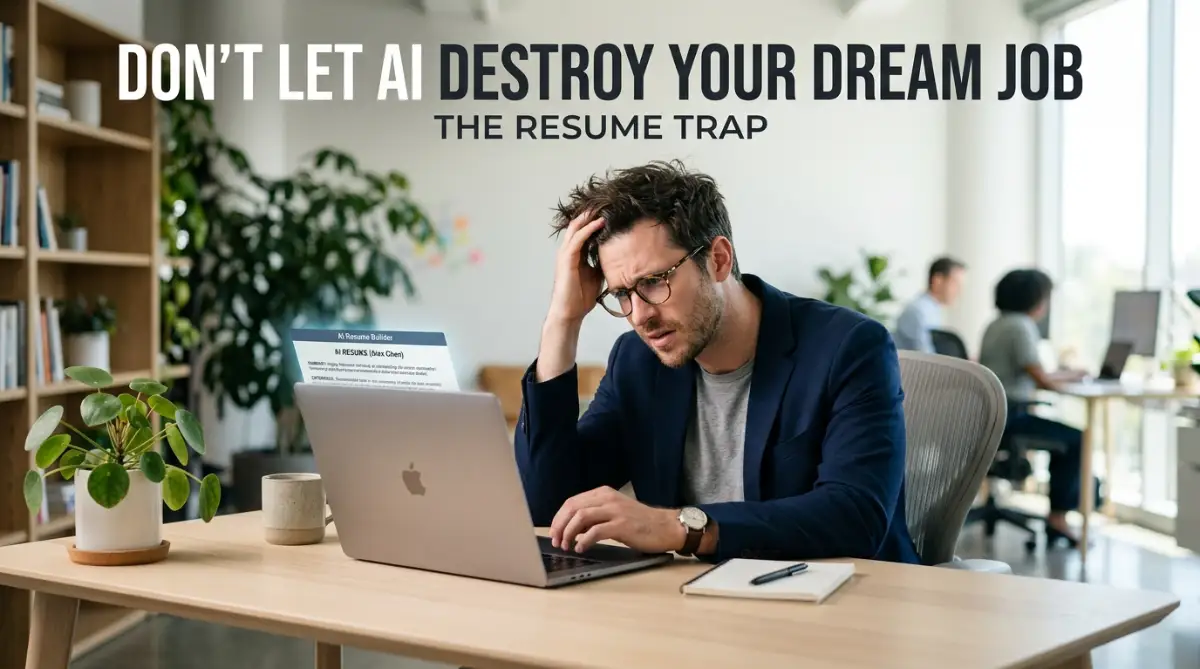
I remember the day I lost an entire month of hard work because I trusted a smart assistant without checking its output. My client was furious, and my reputation took a massive hit overnight. I felt completely helpless, staring at a screen full of generated errors that I absolutely should have caught myself.
That single mistake taught me a hard lesson about letting machines do all the thinking for me. It is so easy to just hit "generate" and assume the tool knows best. But that lazy habit almost cost me my entire freelance career.
Every single day, regular people are falling into this exact same trap without even realizing it. We download the latest apps, use the newest smart features, and slowly stop using our own brains. This over-reliance on technology is quietly destroying our ability to think critically.
When you trust a machine blindly, you stop noticing the obvious red flags right in front of you. You might send an embarrassing email to your boss because an auto-reply feature completely misunderstood the tone of the conversation. Or worse, you might make a terrible financial decision because a budgeting app categorized your expenses wrong.
These small, everyday errors pile up and create a massive amount of hidden anxiety. People are walking around constantly worried that they sent the wrong file, approved the wrong automated message, or missed a huge mistake in their work. The peace of mind you thought technology would bring actually turns into a constant state of second-guessing yourself.
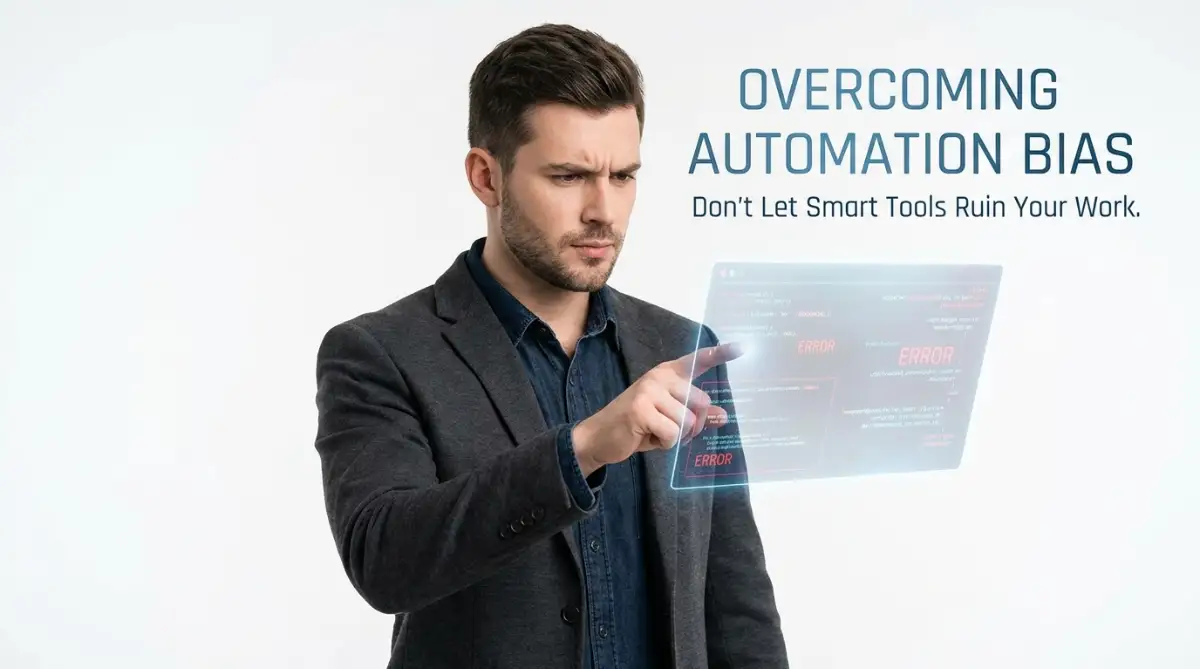
You lose that deep, confident feeling of knowing your work is correct because you didn't actually do the work. Instead of feeling empowered by modern tools, you end up feeling completely paralyzed by the fear that the algorithm hallucinated a completely fake fact under your name.
How Our Brains Fall Asleep at the Wheel
When things get easy, human beings naturally want to take the path of least resistance. This psychological trap is exactly what happens when we use highly advanced digital helpers.
Your brain actually loves it when something else takes over the heavy lifting. We are biologically wired to save energy whenever possible. So, when an algorithm offers to write an email, plan a trip, or calculate data, your brain happily goes on vacation.
The problem is that our brains go completely to sleep. We stop paying attention to the details, assuming the machine is smarter, faster, and more accurate than we could ever be. This false sense of security leads directly to massive personal and professional disasters.
The GPS Effect in Our Everyday Lives
Think about the last time you used a navigation app to drive somewhere new. Did you actually look at the road signs, or did you just stare blindly at the blue line on your screen?
Many of us have driven in circles, or even down dead-end roads, simply because the app told us to turn left. Even when our own eyes tell us a road is closed, we still hesitate and look back at the screen, hoping the digital map is somehow more correct than reality.
This exact same psychological blind spot happens when we use text generators or automated data tools. We see a highly confident, beautifully formatted response on our screen, and we instantly believe it is true. We ignore our own common sense simply because the text looks professional.
The High Cost of Offloading Human Intuition
Your intuition is a powerful warning system built from years of personal experience. When something sounds slightly off, your gut feeling usually tells you to double-check it.
But when we rely entirely on automated systems, we actively silence our own inner voice. You start to doubt yourself instead of doubting the machine. You might look at a generated report and think, "That number seems wrong, but the computer calculated it, so I must be confused."
This loss of self-trust is deeply damaging. It erodes your confidence in your own professional skills. Over time, you forget how to solve problems creatively because you are so used to asking a chat interface for the answer.
Recognizing the Red Flags in Your Daily Workflow
You need to know exactly what this dependency looks like in real life. It sneaks up on you in small, seemingly harmless ways before it causes a major crisis.
Are you constantly using auto-complete without reading the whole sentence? Do you accept grammar suggestions that completely change the meaning of your paragraph? These are the early warning signs that you are surrendering your control.
When you stop checking the original sources for your information, you have crossed a dangerous line. Blind trust always ends in public embarrassment. You have to train yourself to spot these lazy habits before they ruin a project or damage a relationship.
<br>
Here is an incredibly powerful video that explains exactly how to spot these errors before they ruin your hard work. Watch this before moving on to the next step, as it will completely change how you view automated tools!
The 'Trust But Verify' Protocol for Modern Work
We cannot simply throw away our technology and go back to pen and paper. These tools are incredibly powerful when used correctly. The secret is completely changing your relationship with them.
You need to adopt a "trust but verify" mindset. This means you can let the machine do the boring, repetitive tasks, but you must remain the final editor and the ultimate decision-maker.
Never publish, send, or submit anything that you have not read through completely.
Treating Algorithms Like Inexperienced Interns
One of the best mental shifts you can make is to change how you view the intelligence of these systems. Stop thinking of them as all-knowing experts or senior managers.
Instead, imagine that every automated tool is a highly enthusiastic, incredibly fast, but completely inexperienced intern. This intern works at lightning speed but lacks any real-world common sense.
When an intern hands you a report, you do not just blindly forward it to the CEO. You read it over, fix the weird formatting, correct the obvious logical errors, and add your own professional polish. You must treat generated content with the exact same level of skepticism.
I used to think reviewing generated work was a huge waste of my precious time. My biggest realization happened when I started treating these tools like a smart intern instead of a senior boss. I always read the final output out loud now, and it immediately catches weird, robotic phrasing that I would have otherwise missed.
Real-Life Scenarios Where Blind Trust Fails
Let's look at some very specific situations where falling into this lazy trap can completely backfire. This happens in almost every industry and aspect of daily life.
Imagine you are using an automated tool to summarize a long medical article about a new diet. The machine might miss a very subtle warning about a specific allergy. If you blindly follow the summarized advice without reading the warnings, you could end up seriously harming your health.
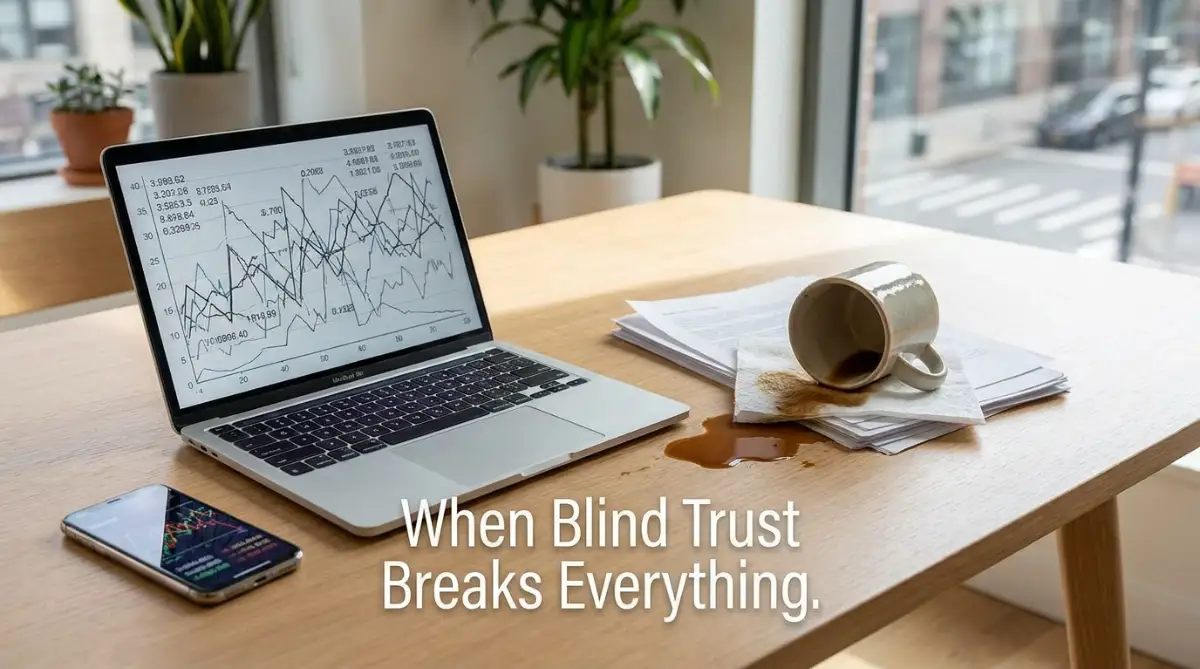
The same thing happens in the financial world. Many people use apps that automatically categorize their monthly spending. If the app decides your large medical bill was actually an "entertainment" expense, your entire yearly budget gets thrown into chaos. If you do not manually review those categories, you lose complete control over your own money.
In the workplace, the danger is even higher. Sending automated emails to clients can easily lead to disaster. A machine does not understand sarcasm, frustration, or urgency. If an important client emails you with a serious complaint, and your system automatically replies with a cheerful "Thanks for reaching out, have a great day!", you will likely lose that client forever.
The Danger of False Confidence in Decision Making
When a screen gives us an answer in bold, beautiful text, we naturally assume it is correct. We suffer from a severe case of false confidence.
This happens because the presentation is flawless. There are no spelling mistakes, the grammar is perfect, and the structure makes logical sense. Our brains are easily tricked by good presentation.
We confuse a well-written sentence with actual factual accuracy. Just because something reads well does not mean it is true. You have to separate the quality of the writing from the quality of the facts.
Creating a Personal Audit System
To protect yourself, you need to create a personal audit system. This is a very simple checklist you run through before you finalize any task that involved digital assistance.
First, ask yourself if the main facts make logical sense based on what you already know. Second, check if the tone of the writing matches your actual personality. Third, run a quick web search on any statistics, names, or historical dates provided.
This audit system might take you an extra five minutes. But those five minutes are your insurance policy against looking foolish, lazy, or unprofessional in front of your peers.
Why Human Emotion Cannot Be Automated
Another massive flaw in heavily relying on these systems is the complete lack of human emotion. Business and personal relationships run on empathy, shared experiences, and genuine connection.
A machine can simulate politeness, but it cannot simulate genuine empathy. When you use automated responses to communicate with your friends, family, or loyal customers, they can almost always tell.
The writing feels cold, generic, and slightly robotic. Over time, this robotic communication damages trust. People want to know they are talking to a real human being who actually cares about their specific situation.
Rebuilding Your Cognitive Muscles
If you feel like you have already fallen into the trap of automation bias, do not panic. You can absolutely rebuild your cognitive muscles.
Start small. Tomorrow, try writing your first three emails of the day completely from scratch. Do not use any smart compose features. Force your brain to think about the sentence structure and the specific words you want to use.
Next, try doing basic math in your head again before reaching for a calculator. Read a full article instead of asking for a bullet-point summary. You need to actively exercise your brain to keep it sharp and independent.
The Balance Between Speed and Quality
We are all under immense pressure to work faster. Bosses want immediate results, and clients expect overnight delivery. This pressure for speed is exactly what drives us into the arms of automated helpers.
However, you have to understand that speed without quality is completely useless. Generating a terrible report in five seconds is not an achievement.
You must find the sweet spot between using tools to gather raw material quickly, and using your own human brain to refine that material into something valuable. True productivity is about doing the right things well, not doing the wrong things faster.
Taking Back Ownership of Your Work
Ultimately, this is about taking pride and ownership in what you put out into the world. If your name is attached to a project, an email, or a creative piece of work, it needs to represent your true abilities.
When you let a machine do everything, you strip away your own unique voice. You blend in with everyone else who is using the exact same tools to generate the exact same generic responses.
To stand out in today's environment, you have to be deeply, authentically human. You have to show your unique perspective, your personal experiences, and your individual problem-solving skills. No algorithm can replicate your personal life experience.
By recognizing the hidden traps, breaking the habit of blind trust, and actively maintaining human oversight, you can protect your peace of mind. You can use modern advancements safely without sacrificing your own intelligence.
Taking Back Control: Pro-Level Strategies for Smart Tech Users
Now that we understand why our brains get so lazy around modern technology, we need a permanent fix. You cannot simply ignore these new tools, because they are everywhere in the modern workplace. Instead, you need to develop a rock-solid system that allows you to use them safely.
The secret to long-term success is learning how to manage technology, rather than letting it manage you. High-performing professionals do not blindly accept the first answer a computer gives them. They treat the initial output as a rough draft that desperately needs a human touch.
One of the best ways to protect your work is by intentionally adding friction back into your daily routine. Friction means slowing down just enough to actually read the words on your screen before you hit send. If you take just thirty seconds to pause, you will catch the majority of embarrassing algorithmic errors.
The Power of the "Read Aloud" Technique
When you stare at a screen for hours, your eyes naturally start to skim over the text. You will miss obvious mistakes simply because your brain fills in the blanks for you. To break this spell, you must force yourself to read generated content out loud.
Hearing the words spoken in your own voice immediately highlights robotic phrasing and weird logic. If a sentence sounds completely unnatural coming out of your mouth, it will sound terrible to your reader. Never publish anything that you cannot comfortably say out loud in a normal conversation.
This simple habit completely transforms how you interact with digital helpers. It forces you to remain an active participant in your own work. You stop acting like a passive bystander and start taking real ownership of the final product again.
Setting Up a Personal Peer-Review Loop
You should never be the only person checking high-stakes documents created by a machine. When a project involves client money, legal issues, or your professional reputation, you need a second set of human eyes. Create a peer-review loop with a trusted coworker or friend.
Send them your drafted work and ask them a very specific question: "Does this sound like something a real person would say?" They will easily spot the unnatural patterns that you missed because you were too close to the project. Human collaboration is the ultimate defense against digital laziness.
To really get the most out of these systems, you have to know their limits. Spending a little time understanding how these deep learning models process data gives you a massive advantage. When you know how the magic trick works, you stop falling for the illusion.
Building Your Own Knowledge Base Outside the App
A major secret of top professionals is that they never rely entirely on a smart assistant for their core knowledge. They keep their own physical notebooks, digital spreadsheets, and personal libraries. When a computer gives them a strange statistic, they check it against their own trusted sources.
Relying entirely on a single platform for all your information is incredibly dangerous. Researchers at the American Psychological Association highlight the risks of cognitive offloading, where we lose our ability to remember things because we expect a machine to remember them for us.
You must protect your own memory and expertise. Keep challenging yourself to learn new things without immediately asking a digital assistant for the summary. Your brain needs regular exercise to stay sharp and independent.
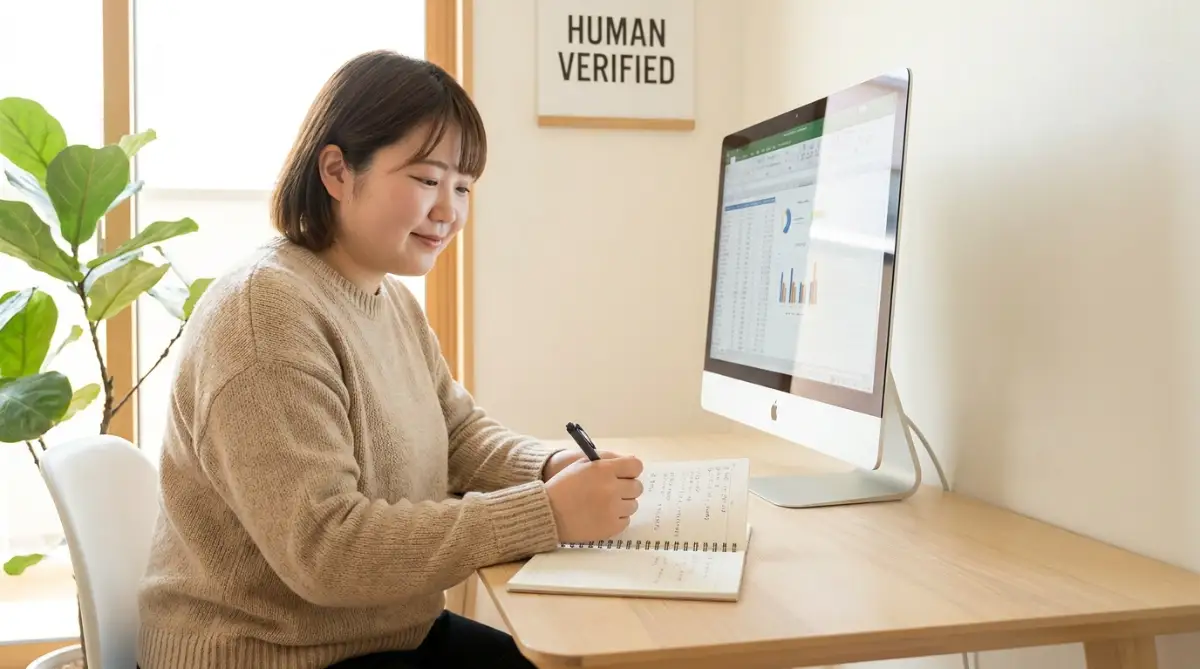
The Hidden Traps That Ruin Hard Work
Even smart people make terrible mistakes when they let their guard down around new technology. These errors usually happen when we are tired, rushed, or feeling completely overwhelmed by our workload. We lean on the machine a little too heavily, and that is exactly when disaster strikes.
The most terrifying part about these mistakes is that they often look perfect on the surface. The grammar is flawless, the formatting is beautiful, but the underlying facts are completely fabricated. If you do not know what traps to look out for, you will eventually walk right into one of them.
These failures do not just cause slight embarrassment. They can lead to lost clients, severe financial penalties, and deeply damaged relationships. Let's look closely at the worst traps people fall into and how they destroy perfectly good work.
The "Beautiful Formatting" Illusion
We have a natural psychological bias to trust things that look clean and professional. When a computer spits out a beautifully organized table with bullet points and bold headings, we instantly assume the data is correct. Our brains confuse good design with factual accuracy.
I have seen professionals submit incredibly detailed financial reports to their boss, only to realize later that the computer invented all the numbers. The user never checked the math because the chart looked so official. Never let a beautiful presentation blind you to the actual facts.
You have to learn to strip away the design and look strictly at the raw information. Ask yourself where the machine got these specific numbers. If you cannot find the original source, you have to throw the entire document in the trash and start over.
The Danger of Using Machines to Check Machines
Another huge mistake is trying to use one smart tool to verify the work of another smart tool. If a text generator gives you a weird fact, you should never ask that same generator if the fact is true. It will almost always double down on its original lie.
This creates a terrifying digital echo chamber. The machine creates a fake reality, and then confirms that fake reality is completely accurate. When you use algorithms to fact-check algorithms, you completely remove the safety net of human common sense.
If you are dealing with sensitive coding or ignoring software security risks in automated scripts, this echo chamber can leave your entire system vulnerable. You must step outside the digital ecosystem and verify the information using traditional, trusted human methods.
Putting Legal and Medical Trust in an Algorithm
Perhaps the most destructive mistake of all is trusting an algorithm with deeply personal or highly regulated information. People actually try to generate legal contracts, business terms, and medical advice using standard chat interfaces. This is an absolute recipe for a massive lawsuit.
These systems do not have law degrees, and they do not understand the specific regulations in your local area. If you use a generated contract for your business, you might accidentally sign away your own rights. You always need to seek proper professional help when safeguarding your company legally.
According to guidelines published by the National Institute of Standards and Technology, trusting unverified digital outputs in high-risk scenarios is a major security vulnerability. Algorithms are built to guess the next word, not to protect your legal or physical safety.
Surrendering Your Unique Personal Voice
When you let a machine write all your emails, blog posts, and social media updates, you slowly erase your own personality. Every piece of communication starts to sound exactly the same. Your audience, friends, and clients will quickly notice that your writing has become completely lifeless and boring.
People do business with other people because they like their unique perspective. If you sound like every other automated bot on the internet, nobody will pay attention to you. You lose the human connection that actually drives success in the real world.
Instead of letting the machine write the whole piece, use it just for brainstorming ideas. Once you have a basic outline, close the app and write the actual sentences yourself. This keeps your communication authentic, warm, and highly engaging.
The "Overnight Expert" Delusion
It is incredibly easy to feel like a genius when a tool does all the heavy lifting for you. Some people read a five-minute summary of a complex topic and suddenly believe they are industry experts. This false confidence leads them to make terrible business decisions based on surface-level knowledge.
True expertise takes real time, deep struggle, and hands-on experience to develop. You cannot shortcut your way to mastery just by typing a good prompt into a search bar. If you want to build a truly secure career and launch a business with a solid foundation, you have to put in the actual human effort.
Stay humble when using these powerful tools. Remember that the machine is providing the speed, but you are the one responsible for the quality. Always respect the deep knowledge that comes from true human experience.
Your Blueprint for Confident, Human-Led Work
We are standing at a very interesting point in history where digital tools are more powerful than ever before. But this power is completely useless if we let it put our critical thinking skills to sleep. The goal is not to run away from modern technology, but to become a much smarter, more intentional user of it.
You now have a clear understanding of how automation bias sneaks up on you in your daily life. You know the red flags to look for, and you understand the severe consequences of blindly trusting a beautiful screen. Awareness is the very first step toward taking your power back.
Start treating your digital helpers exactly like what they are: highly efficient, slightly clumsy interns. Let them gather the raw data, organize the messy files, and help you brainstorm fresh ideas. But never forget that you are the boss, the editor, and the final decision-maker.
Action Steps for a Smarter Tomorrow
Starting tomorrow morning, I want you to change exactly one small habit in your daily workflow. Pick one task that you normally automate, and do it completely manually. Write that client email from scratch, or calculate that budget on a simple piece of paper.
This small act of resistance wakes your brain up and breaks the cycle of lazy dependency. It reminds you that you are highly capable of doing excellent work entirely on your own. When you start making smart choices with the newest digital apps, you stop being a victim of the algorithm.
Even when you are doing something fun and creative, like generating highly realistic digital images, apply the same strict standards. Ask yourself if the final result truly matches your original vision, or if you are just settling for whatever the machine gave you.
Embrace the Struggle of True Learning
Do not be afraid of the mental friction that comes from doing things the hard way. That slight feeling of frustration when you are trying to solve a problem is actually the feeling of your brain growing stronger. When we completely remove that healthy struggle, we stop growing as individuals.
Experts at top institutions like MIT Sloan strongly advise leaders to keep humans deeply involved in automated workflows to maintain operational excellence. The best companies in the world know that human intuition cannot be replaced by a line of code. Your personal intuition is your most valuable professional asset.
Never apologize for taking a few extra minutes to manually verify your work. Those extra minutes are what separate true professionals from lazy amateurs. The world will always reward the people who care enough to get the details exactly right.
My biggest breakthrough happened when I finally stopped trying to be as fast as a machine, and instead focused on being as accurate as a human. I realized that my clients were not paying me for instant, generic answers; they were paying me for my specific, careful, and thoughtful expertise. Take a deep breath, trust your own mind, and always verify before you hit send.
Common Questions About Smart Tool Reliance
Why do we naturally trust computers more than ourselves?
Our brains are biologically wired to save energy by finding the easiest possible solution to any problem. When a computer presents a highly confident, perfectly formatted answer, our brain takes the easy way out and assumes it is correct. We naturally want to avoid the hard mental work of double-checking facts.
How can I easily tell if generated text is actually wrong?
The easiest method is to read the text completely out loud. Generated content often loops the same ideas, uses weird robotic phrasing, and lacks genuine human emotion. If it sounds totally unnatural or perfectly flat when spoken, you need to rewrite it yourself.
Will these algorithms eventually stop making these weird mistakes?
While the technology will continue to improve, it will never be completely flawless because it relies on predicting patterns, not understanding deep truth. There will always be edge cases, strange hallucinations, and out-of-context errors. You will always need human oversight to ensure total accuracy.
What is the best way to manually verify automated data?
Always step completely outside the platform you used to generate the data in the first place. Use a traditional search engine, check physical books, or consult a known industry expert. Never use the exact same automated tool to verify its own original answer.
Can using smart tools actually ruin my professional reputation?
Yes, it absolutely can if you use them carelessly without final editing. Sending emails with obvious robotic placeholders or submitting reports with totally fabricated numbers makes you look incredibly lazy. It tells your clients and bosses that you do not care enough to review your own work.
Disclaimer: This article is for informational and educational purposes only. The strategies discussed regarding technology reliance and automation bias are based on general professional experiences and observations. Always exercise your own judgment and consult with certified professionals before making significant changes to your business workflows, legal documents, or financial systems. We are not responsible for any direct or indirect consequences resulting from the application of the information provided in this post.