The Hidden Heartbreak Behind Recreating a Lost Voice
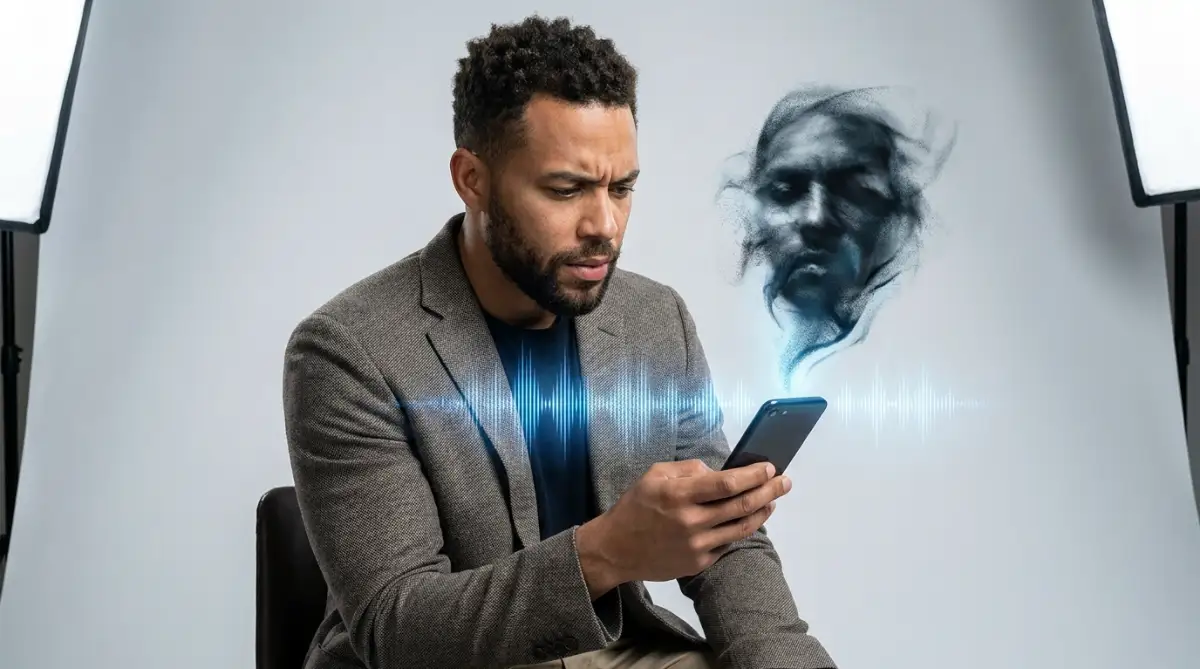
My phone screen lit up brightly in the dark room with an old, saved audio message. I deeply missed my older brother's laugh, so I quietly uploaded his old voicemails into a brand-new AI app just to hear him say my name again. When the synthesized audio finally played, my heart instantly dropped directly to my stomach. It sounded almost exactly like him, but the human soul was completely missing from the words. The robotic pauses and unnatural pitch changes made me feel like I was talking to an empty ghost trapped inside my computer. I realized right then that playing God with our own grief is an incredibly dangerous game.
Every single day, thousands of grieving people are stumbling into this exact same emotional trap. We hold onto old voicemails and videos because those small fragments of sound feel so incredibly alive. But when we feed those precious memories into artificial software, we unknowingly risk erasing the real memory.
This simple curiosity quickly turns into a heavy burden on our daily mental peace. People find themselves staying awake for hours, questioning if they just violated the privacy of someone they loved deeply. The guilt sneaks up quietly and completely takes over your mind.
Instead of finding comfort, ordinary people are facing severe emotional confusion. The brain simply cannot understand how someone who is gone is suddenly speaking new sentences. This unnatural experience heavily disrupts normal life, making it nearly impossible to focus on work or family.
Mourning is already a heavily complicated journey filled with endless ups and downs. Adding unpredictable artificial tools into the mix often makes the pain significantly worse. We desperately want comfort, but we end up creating a deeply unsettling psychological maze for ourselves.
Navigating the Moral Maze of Artificial Memories
When we lose someone close to us, the absolute desperation to hold onto them can make us ignore obvious red flags. Software programs today make it incredibly easy to copy anyone's speech pattern with just a short audio sample. However, just because we have the power to do something does not mean we actually should.
There are massive moral and psychological hurdles you need to consider carefully. If you are thinking about testing these digital tools, you must pause and ask yourself some hard questions. Let us walk through the absolute realities of digital recreation so you can protect your own mental health.
The Illusion of Bringing Someone Back
Our human brains are naturally wired to recognize the tiny imperfections in how our family members speak. A sudden breath, a slight stutter, or a specific tone of joy are all things that a machine simply cannot replicate. When you listen to an artificial replica, your mind immediately senses that something is deeply wrong.
This creates a terrifying psychological reaction known as the "uncanny valley" effect. You hear the familiar tone, but your instincts scream that the voice is completely fake. Instead of feeling a warm sense of nostalgia, you are left feeling completely hollow and terrified.
Many people think hearing a familiar sound will instantly cure their sadness. In reality, scientists who study brain chemistry warn that this can easily trap you in a permanent state of denial. You end up waiting for a machine to comfort you instead of actually processing your natural emotions.
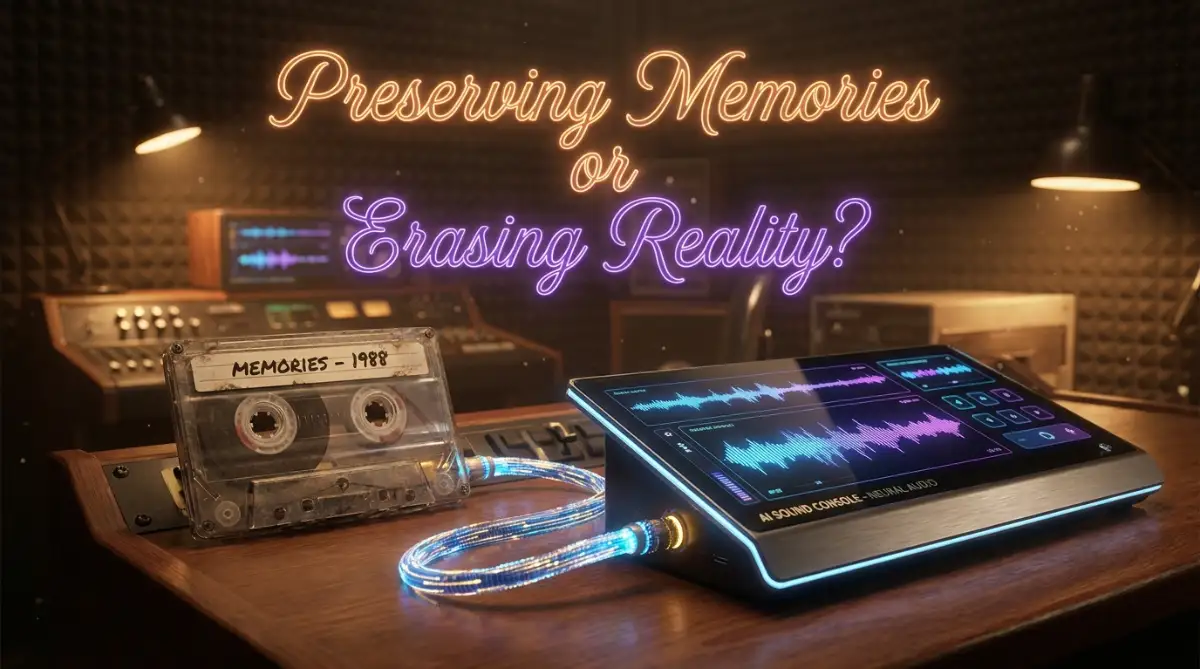
Who Owns the Digital Soul of the Departed?
One of the biggest issues nobody talks about is the basic concept of permission. Before passing away, your loved one probably never gave explicit permission to have their identity turned into an algorithm. Taking their personal audio and feeding it into a massive corporate database is a massive breach of trust.
Think about how strictly we protect the physical belongings of those who have passed away. We treat their old clothes, handwritten letters, and jewelry with the highest level of respect. Their unique speech patterns and vocal cords deserve that exact same level of dignity.
When you upload a file into a random app, you often sign away the rights to that data. Corporate tech companies can legally store those sound waves on their private servers indefinitely. You might accidentally be handing over your family member's identity to a business that only cares about profit.
The Danger of Emotional Addiction to an Algorithm
Grief counseling teaches us that moving forward requires accepting the finality of our loss. When you have a program that can generate new bedtime stories in your grandfather's tone, you create a digital crutch. People easily become highly addicted to pressing the play button whenever they feel lonely.
This heavy emotional dependency completely ruins your ability to connect with the living people around you. Instead of talking to your current friends, you isolate yourself in a dark room with a computer. You start living in an artificial past rather than facing the real present.
Pro Tip: I completely ruined my own sleep schedule because I made the mistake of listening to cloned audio right before bed. My honest advice? If you ever decide to test these kinds of tools, please do it during the middle of the day with a close friend sitting nearby, because the emotional whiplash is incredibly overwhelming.
The Expert Perspective on Digital Grief
Before you make any final decisions about using these audio tools, you absolutely need to watch this expert breakdown on the psychology of digital grief.
The Silent Threat of Identity Theft After Death
We live in an era where digital security is constantly under threat from bad actors. When a synthetic profile is created, there is always a huge risk that hackers could steal it. Imagine the absolute horror of a scammer using your deceased mother's voice to call your relatives.
This type of specific fraud is becoming incredibly common across the globe. Bad actors simply download the copied files and use them to bypass security systems or manipulate grieving grandparents. By creating the clone in the first place, you might be opening a highly dangerous door.
Protecting a legacy means keeping their remaining memories completely offline and secure. True respect involves locking away their home videos safely, not uploading them to random websites.
Family Disputes and the Right to Grieve
Grief is an intensely personal experience, and every single family member handles the pain differently. You might find extreme comfort in hearing a synthetic reproduction of your late father. However, your sibling might find the exact same recording completely offensive and deeply disturbing.
Creating these files without a full family agreement often leads to massive arguments and broken relationships. It forces everyone around you to deal with a highly controversial situation they never asked for. The last thing any grieving family needs is a bitter fight over an artificial intelligence app.
Open communication is absolutely required before you even consider opening one of these software programs. If even one close relative feels uncomfortable with the idea, you need to respect their boundaries completely.
Myth vs Reality: Breaking Down the Misconceptions
There are massive amounts of misinformation spreading quickly across social media regarding these tools. Tech companies heavily market these apps as magical solutions for broken hearts. Let us clear up the absolute truth behind the marketing hype.
Myth: The generated audio will sound exactly like the original person with all their human emotion.
Reality: The software only copies the basic acoustic pitch, completely missing the emotional context and natural breathing patterns.
Myth: Using these digital tools will help you find closure much faster.
Reality: Psychologists strongly warn that synthetic interactions usually delay the natural healing process and increase overall anxiety.
Myth: Your uploaded data is completely private and secure forever.
Reality: Most free apps legally claim the right to use your uploaded personal data to train their future systems.
Understanding the Real Motives of Tech Companies
You have to remember that the platforms offering these services are ultimately driven by money. They do not genuinely care about your personal healing journey or your family's legacy. Their main goal is to keep you actively subscribed to their platform for as many months as possible.
They intentionally design their user interfaces to trigger deep emotional responses from vulnerable people. The smooth loading screens and gentle color schemes are carefully built to make you drop your guard. You are interacting with a highly calculated business model, not a licensed grief counselor.
Do not let a clever marketing campaign trick you into compromising your own ethical standards. You hold the ultimate power to say no and protect the authentic memory of your family.
The Wax Museum Analogy
Think about visiting a famous wax museum filled with incredibly realistic statues of historical figures. From far away, the statues look exactly like the real human beings they represent. But the moment you stand closely next to them, the dead eyes and perfectly stiff posture make you feel completely uneasy.
An artificial audio file is the exact digital equivalent of a wax statue. It has the basic shape and outline of the person, but absolutely none of the warmth. Trying to have a meaningful moment with a wax figure will always leave you feeling empty.
Real memories might fade slightly over the years, but they always remain completely authentic. A genuine, slightly blurry home video is worth a million times more than a perfectly clear, generated fake.
Comparing the Authentic Past with the Artificial Present
To truly understand the massive gap between reality and machine, we have to look closely at the fine details. Let us easily compare a genuine old voicemail with a newly generated sound bite.
This simple comparison clearly highlights exactly why we must be incredibly careful. The genuine flaws in a real human recording are exactly what makes it so beautiful. Erasing those tiny flaws completely destroys the magic of the memory.
Steps Toward Healthy Digital Boundaries
If you are currently holding onto hard drives filled with old memories, you need a safe plan. You can protect these files without ever needing to run them through risky software. The safest path forward starts with pure, unfiltered acceptance.
Instead of trying to force new words into their mouth, try transcribing their old messages onto real paper. Writing down their exact quotes with a physical pen is a highly therapeutic exercise. It securely locks the memory into your brain without involving any external computer servers.
You can also safely edit old videos just to clean up the static background noise. Enhancing the quality of a real recording is perfectly fine because you are not changing the original message. You are simply dusting off an old painting, not painting a fake copy.
The Power of Authentic Remembrance
At the end of the day, our missing friends and family members deserve to rest in absolute peace. They left behind a beautiful, completed story that does not require any new, fake chapters. True love is having the incredible courage to let their original voice be the absolute final word.
We honor them by sharing their real stories with our children, using our own natural voices. We remember them by cooking their favorite meals and visiting their favorite quiet parks. These highly genuine human actions will always outshine any piece of shiny new software.
We must firmly guard the sacred line between beautiful human nature and cold machine code. Protecting their genuine legacy is the greatest final gift we can possibly give them. Let the real memories naturally stay exactly as they are—perfectly imperfect and deeply loved.
Moving Forward with Healthy Digital Habits
When you are desperately missing a loved one, making smart choices about their digital legacy feels incredibly overwhelming. The heavy sadness makes us want to try anything that might temporarily numb the pain. However, you can safely protect their memory without ever crossing into dangerous ethical territory. Let me share some highly effective, totally secure ways to manage the audio files you currently have.
First, you need to understand exactly where your digital files are currently stored. Many people leave precious voicemails sitting in their phone carrier’s default inbox for months. This is incredibly risky because mobile companies routinely delete old messages without giving you any warning. You should immediately learn evaluating new software tools just to find a secure offline backup method.
The smartest thing you can do right now is physically back up those original recordings. You need to buy a brand new, dedicated external hard drive specifically for family memories. Transferring your late father's audio directly to an offline device keeps those files completely safe from internet hackers. You never have to worry about random software companies secretly analyzing his unique voice patterns.
You also have to set very strict personal boundaries regarding when you actually listen to these original files. Listening to old voicemails every single night before bed is a recipe for serious mental exhaustion. If you want help with processing complex grief stages, mental health experts strongly recommend scheduling specific times for remembrance. Maybe you only listen to your grandmother's voice on her birthday or during special family holidays.
This intentional scheduling gives your brain enough space to actually heal during your normal daily routine. It prevents you from using their saved voice as a constant emotional crutch. You get to slowly rebuild your own life while still holding their real memory close to your heart.
The Antique Vase Analogy
Think about how you would treat a beautiful, highly fragile antique vase that your great-grandmother left behind. You would never dream of painting bright modern colors over the original artwork just to make it look brand new. You appreciate the tiny cracks and faded paint because they tell the absolute truth about its long history.
Original audio recordings of the people we miss are exactly like that rare antique vase. When you try understanding artificial intelligence basics, you quickly realize these tools act like cheap, modern paint. They cover up the real human flaws that made your loved one so incredibly special in the first place.
Protecting their original voice means leaving the background static and the awkward pauses completely untouched. Those tiny imperfections are heavy with real human emotion and genuine love. We must resist the urge to digitally "fix" something that is already completely perfect in its natural state.
Creating New Offline Traditions
Instead of trying to force a computer to speak to you, try creating entirely new physical habits. Writing down the exact words from an old voicemail into a physical journal is extremely therapeutic. You are actively using your hands and your own energy to document their beautiful life story.
You can also gather your close friends and share stories out loud using your own natural voices. When you talk about the funny things your brother used to say, you keep his spirit incredibly alive. Human beings were meant to heal through shared community storytelling, not through isolated computer screens.
The Hidden T raps of Artificial Mourning
Even with the best intentions, highly emotional people often fall into some very dangerous traps when exploring grief technology. The marketing for these platforms is designed perfectly to target people who are currently feeling heavily vulnerable. If you are not paying close attention, you can easily make a mistake that deeply hurts yourself and your extended family.
The biggest mistake people make is sharing a newly generated synthetic voice with unsuspecting relatives. Imagine a scenario where a grieving sister creates an artificial audio clip of her late mother giving a birthday greeting. She sends it in a family group chat, thinking it will be a lovely and beautiful surprise.
Instead of feeling joy, her brother opens the message and experiences a massive panic attack. The shock of hearing a dead parent suddenly speak new words is psychologically terrifying for most normal people. This single reckless decision can easily tear a loving family completely apart.
Never force your own digital coping mechanisms onto other people who are also heavily grieving. What feels somewhat comforting to your specific brain might feel like an absolute horror movie to your own siblings.
The Saltwater Trap of Synthetic Comfort
Using artificial software to hear a familiar tone is exactly like drinking saltwater when you are stranded in a desert. At first glance, the clear water looks exactly like the solution to your terrible thirst. But the moment you swallow it, the heavy salt makes your dehydration significantly worse than before.
These digital audio apps offer a very quick, temporary hit of emotional comfort that fades almost immediately. When the computer stops playing the file, the silence in your room feels ten times heavier. You end up realizing that you are still completely alone, but now you feel deeply empty inside.
This cycle forces people to constantly generate new audio clips just to chase that original feeling. You might not realize you are dealing with hidden software security risks while you feed more data into the machine. You become completely trapped in a lonely loop, drinking digital saltwater while your real life passes by.
Ignoring the Reality of Data Harvesting
Another massive pitfall is completely ignoring the privacy policies before clicking the upload button on a free website. Most people are in such a massive rush to hear the voice that they blindly accept all terms and conditions. They do not realize they just handed over their grandfather's entire vocal identity to a massive tech corporation.
These giant companies legally collect this highly personal data to train their future commercial models. If you are interested in protecting personal audio data, you need to understand that your family's voice could be mixed into a giant server. Your loved one's unique speech patterns might eventually be used to power a completely random customer service robot.
The thought of someone you deeply love being reduced to a corporate data point is absolutely sickening. Once you upload those private files onto a public server, you can never truly get them back. The internet simply never forgets, and you completely lose control over how that voice is used in the future.
The Creeping Threat of Deepfake Fraud
We also cannot ignore the heavy rise in online scams that use synthetic media to steal money. Just like the dangers of generating realistic images with AI, audio cloning is heavily abused by online criminals. Scammers actively look for publicly shared voice models to target vulnerable grandparents and steal their savings.
If a hacker gets a hold of the synthetic profile you created, they can make it say absolutely anything. They might call your elderly aunt, pretending to be your deceased father, asking for emergency money. The absolute guilt you would feel for accidentally enabling this crime would be completely unbearable.
Experts who study the psychology of deepfake audio warn that these attacks are only getting harder to spot. Keeping your family's recorded memories totally offline is the only guaranteed way to stop this from happening.
Your Next Steps Toward Genuine Healing
We all naturally want a magical quick fix when our hearts are completely shattered into tiny pieces. But trying to cheat the natural grieving process with shiny new technology will only delay your real healing. Your journey forward requires extreme courage, heavy patience, and a willingness to simply feel the natural pain.
You do not need an expensive subscription to an artificial app to keep their beautiful memory safe. Their true legacy lives strongly inside the physical recipes they taught you and the funny jokes they shared. It lives in the exact way you smile when you think about your favorite vacation together.
If you are struggling with family disputes over these issues, focus on navigating the legal system for protection of your physical estate instead. Direct your energy toward highly productive, protective tasks that actually benefit the living members of your family.
Take a deep breath today and gently close the laptop screen that is causing you so much extra anxiety. Reach out to a living, breathing friend and ask them to grab a simple cup of coffee with you. Connection with the real world is the absolute best medicine for a mind that is tired of grieving.
I completely wasted months of my own life staring at loading screens, begging a computer to bring my brother back. My greatest hope is that my mistakes can save you from that dark, confusing maze, so you can finally find real peace today.
Honest Answers to Your Digital Grief Questions
Why does hearing an AI-cloned voice of a loved one feel so creepy?
This happens because of a psychological reaction called the uncanny valley effect. Your human brain recognizes the familiar tone, but your instincts clearly detect the complete lack of real emotion. This heavy conflict deeply confuses your mind and triggers a strong sense of fear and unease.
Can tech companies legally keep the voice data I upload?
Yes, unfortunately, most free audio platforms heavily hide this exact detail deep inside their terms of service. When you click agree, you often give them full permission to store and use those audio files forever. They can legally use your deceased family member's data to train their future software updates.
What is the safest way to store old voicemails of someone who passed away?
The absolute safest method is saving the original files directly onto a secure, offline external hard drive. You should completely avoid uploading highly personal family audio to random cloud servers or free internet websites. Storing them in a physical safe in your own house protects them from hackers and corporate data mining.
Will listening to a synthetic voice help me find closure faster?
Mental health professionals strongly agree that artificial audio actually heavily delays your ability to find real closure. It keeps you trapped in a deeply confusing state of denial instead of helping you accept the loss. Real healing always comes from human connection and naturally processing your raw emotions over time.
How do I stop family members from creating an AI clone of our late parent?
You need to have an incredibly honest, open conversation about your personal boundaries and extreme emotional discomfort. Clearly explain the severe privacy risks and the psychological damage it might cause to the rest of the family. If they refuse to listen, strongly protect your own mental peace by physically removing yourself from those situations.
Disclaimer: The information provided in this article is purely for educational and informational purposes only. It does not constitute professional psychological advice, legal counsel, or certified grief therapy. Always consult with a licensed mental health professional or trained counselor if you are struggling heavily with severe loss or complicated digital grief.