The Day My Own Voice Was Used Against Me
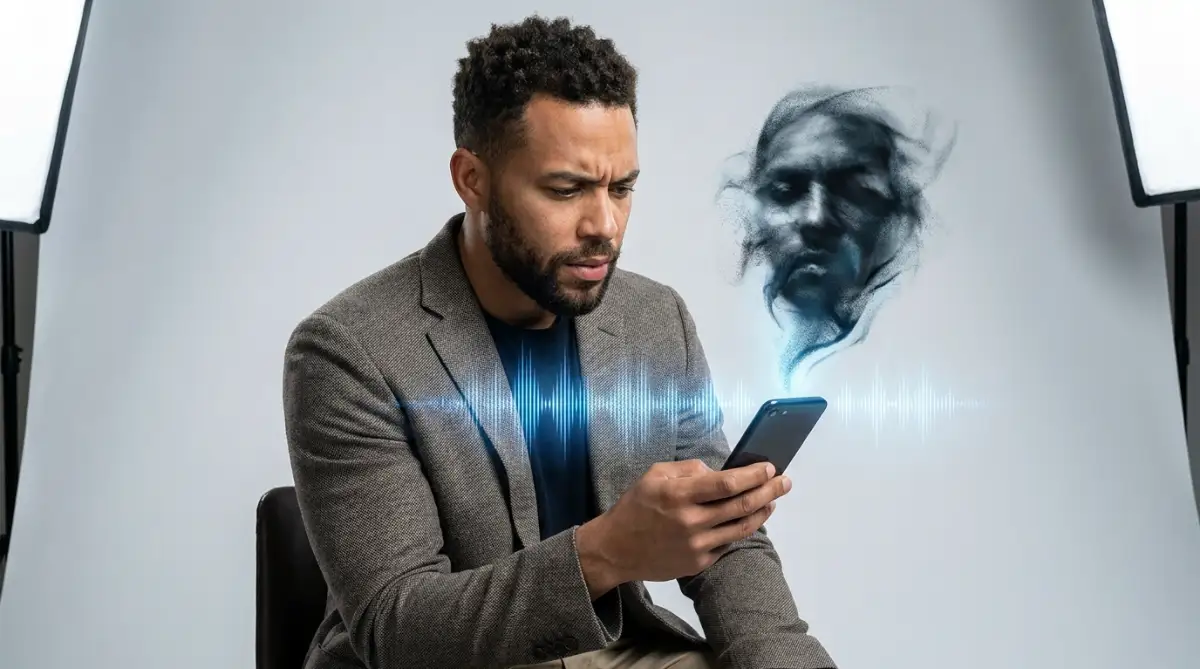
I was sitting quietly at a corner table in my favorite coffee shop when my phone suddenly buzzed. It was my mother calling, and the moment I answered, I realized she was crying uncontrollably. She told me she had just spoken to me on our home landline, and I had frantically told her I was in a terrible car accident. The most terrifying part of this entire situation? I had been sitting silently with my laptop for the past three hours.
Someone had stolen a tiny, harmless audio clip from a video I posted on social media a few weeks prior. They fed my audio into an automated generator and called my family, begging for emergency funds to pay for fake medical bills. My heart instantly sank into my stomach as I realized how incredibly easy this whole process was for them.
This is not some distant, unrealistic sci-fi movie plot meant to entertain us anymore. It is happening to completely ordinary, hardworking families every single day. The mental toll of knowing an invisible stranger can perfectly replicate your exact tone, pitch, and emotion is absolutely exhausting.
People are handing over their life savings because they genuinely believed they were talking to a loved one in danger. The simple fear of answering an unknown phone call is slowly eating away at our daily peace of mind. We are now living in a reality where we have to constantly second-guess if the person on the other end of the line is actually human.
Imagine the sheer panic of hearing your own child screaming for help through your phone speaker. In that exact moment, your brain immediately shuts down all logical thinking and shifts entirely into survival mode. You do not stop to carefully analyze if the background noise sounds slightly robotic or unnatural.
This intense emotional manipulation is exactly what these bad actors rely on to succeed. They intentionally prey on our deep love and sudden panic, turning our strongest family bonds into our biggest security weaknesses.
Unmasking the Magic: How Fake Audio Actually Works
To truly protect ourselves, we first need to understand what we are actually fighting against. You might think that faking a human voice requires expensive Hollywood studios and teams of audio engineers. Today, all a bad actor needs is a cheap laptop and an internet connection.
Think of your personal speaking style like a unique digital fingerprint. In the past, forging a fingerprint took immense skill, time, and physical access. Now, a three-second clip from a random TikTok video or an Instagram story is all a machine needs to map your vocal cords.
Once the software learns how you pronounce your vowels and structure your sentences, it builds a custom profile. From there, the scammer simply types out a script on their keyboard. The software then reads that typed text out loud, sounding exactly like you.
This simple but terrifying technology is exactly why we need to change our daily habits right away.
The Psychology of the Panic Drop
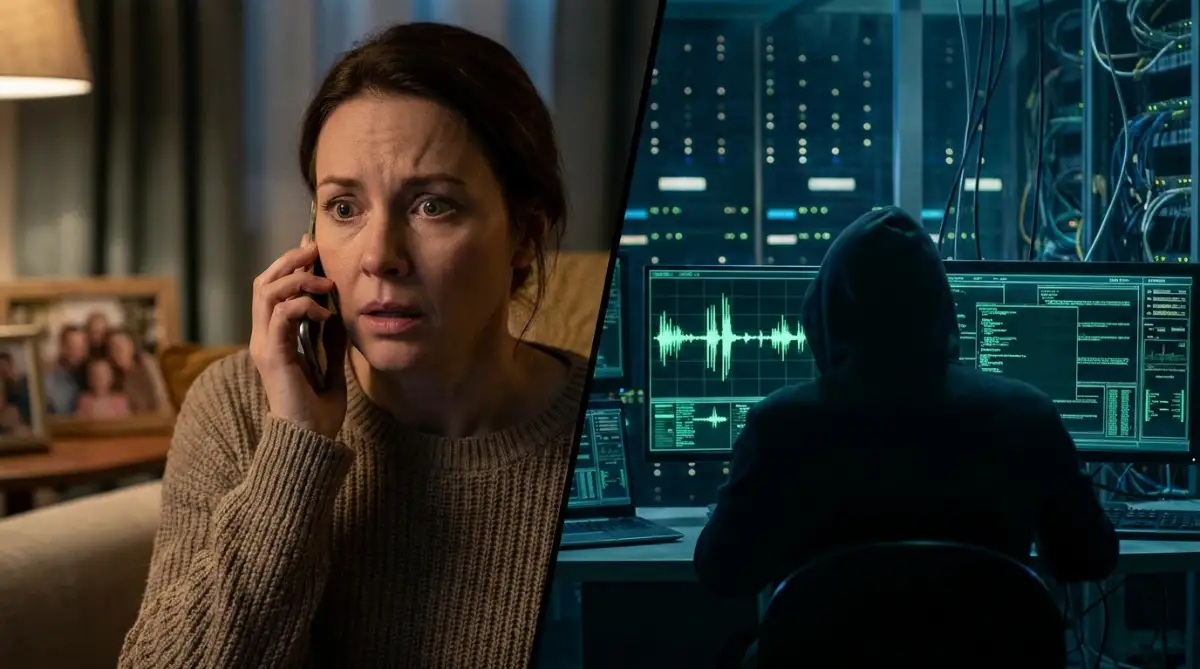
Scammers know that if they just call and ask for money, you will likely hang up the phone. That is why they use a highly specific psychological trick I like to call the "Panic Drop." They start the call with immediate, high-stress chaos to confuse your brain.
They will use fake background noises like police sirens, crying babies, or crashing sounds. Your adrenaline spikes instantly, causing a normal human reaction called the "fight or flight" response. When your body is flooded with adrenaline, your critical thinking skills completely turn off.
You stop listening for audio glitches or strange robotic pauses in the speech. You only focus on the emotional urgency of the person you think you are talking to. By the time you realize something feels off, you have already shared sensitive information.
The "First to Speak" Security Rule
We have all been trained since childhood to be polite on the phone. When it rings, we pick it up and immediately say hello, offering our names. This simple act of politeness is exactly how scammers gather fresh audio samples from unsuspecting victims.
I used to answer every single unknown call with a cheerful "Hello, this is Arif speaking, how can I help you?" I quickly realized I was freely giving away high-quality, clear audio samples to anyone silently recording the line. Now, I simply pick up the phone, put it to my ear, and wait in total silence for the caller to speak first.
If it is a real human, they will eventually say hello or ask if anyone is there. If it is an automated recording bot scanning for active numbers, it will usually hang up after a few seconds of silence. This one tiny habit change protects your digital voice profile every single day.
Do you want to see exactly how quickly these tools can trick a normal person? Watch this short breakdown below:
This mind-blowing demonstration shows exactly why you can no longer trust everything you hear on a simple phone call.
Establishing Your Family Safe Word
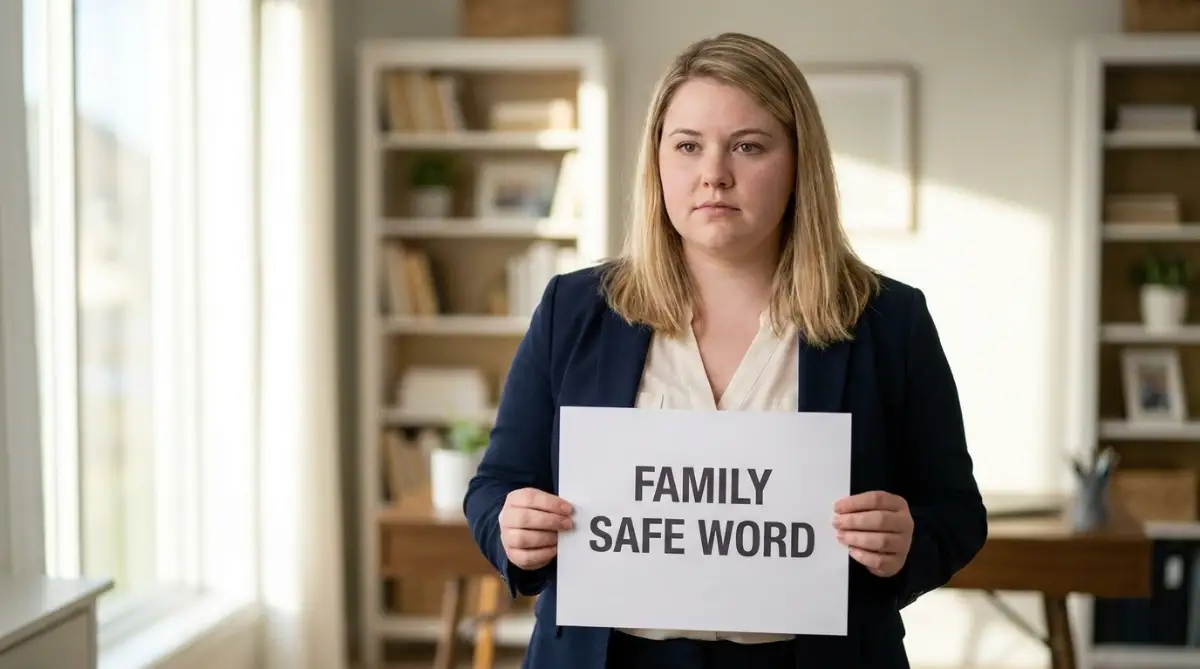
This is perhaps the most powerful and immediate action you can take to protect your household today. You need to gather your immediate family members and establish a unique "safe word" or "safe phrase." This word acts as a secret verbal password that only your true family members would know.
Do not choose something obvious like a pet's name, a birth date, or your mother's maiden name. These details are incredibly easy for bad actors to find through a quick search of your social media profiles. Instead, pick something entirely random and unrelated to your life, like "Blue Pineapple" or "Rusty Bicycle."
If you ever receive a frantic call from a loved one asking for money or help, gently interrupt them. Ask them a specific question that requires the safe word as the answer.
For example, you could ask, "What is the secret password we agreed on?"
If the person on the other end hesitates, gets angry, or gives the wrong answer, hang up immediately. Real family members who know about the safe word rule will gladly provide it, even in an emergency.
Myth vs. Reality: Breaking Down Audio Scams
There is a lot of misinformation floating around the internet about how these digital scams operate. Let's clear up some common misunderstandings so you can focus on the right security habits.
Myth: Only rich people, celebrities, or business executives are targeted by these fake calls.
Reality: Automated bots scrape thousands of normal, everyday social media profiles at random. Scammers prefer average families because they usually do not have complex security teams protecting them.
Myth: I will easily be able to tell if a voice is fake because it will sound like a robot.
Reality: The technology has improved so much that the audio captures your breathing patterns and emotional stutters. To the naked ear, especially during a stressful phone call, it sounds 100% human.
Myth: My social media is private, so my audio is completely safe from strangers.
Reality: Even private accounts can have followers whose devices are compromised by malware. If a friend's phone is hacked, the bad actors can see and hear all your private videos.
Auditing Your Digital Footprint
Most of us leave a massive trail of audio clips scattered across the internet without ever realizing it. Think about all the podcasts, YouTube videos, Instagram reels, and public Facebook live streams you have participated in. Every single one of these public files is a potential goldmine for someone looking to steal your identity.
You need to take an afternoon to carefully audit your online presence. Go through your older social media posts and delete videos that you no longer need to share publicly. If you have a public YouTube channel, ensure you are using two-factor authentication to prevent hackers from taking over your account.
Consider changing your social media privacy settings from "Public" to "Friends Only." While this is not a perfect solution, it instantly removes your audio from public search engine results. Making yourself a difficult target is usually enough to make automated bots move on to someone else.
Recognizing the Red Flags of a Cloned Call
Even if you implement all these safety measures, a fake call might still slip through the cracks. It is extremely helpful to know exactly what signs to listen for when you answer the phone.
If you ever notice a weird delay when you ask a question, your internal alarm bells should ring. The software requires a split second to process your question, type out a response, and generate the fake audio. That tiny moment of unnatural silence is often the biggest giveaway that you are talking to a machine.
What to Do When the Worst Happens
Let's say you answer the phone, hear the panic, and immediately suspect it is a fake cloned voice. The very first thing you must do is force yourself to take a deep breath and stay entirely silent. Do not confirm your name, do not ask if it is your child, and do not show your fear.
Hang up the phone without saying a single word to the caller. Then, immediately dial the actual phone number of the family member you supposedly just spoke to. In almost every single case, they will answer their phone perfectly safe, wondering why you are checking on them.
If you cannot reach them directly, call their workplace, their spouse, or a close friend they might be with. Never use the phone number the scammer called you from, even if it looks exactly like your loved one's number. Bad actors easily use number spoofing software to make their fake calls look completely legitimate on your caller ID.
Educating the Most Vulnerable
While younger generations are generally more aware of these digital threats, our parents and grandparents are highly vulnerable. They grew up in an era where seeing was believing, and hearing a voice meant it was undeniably that person. We have a deep responsibility to sit down and patiently explain this new reality to them.
Do not try to explain the complicated technical aspects of machine learning or server rooms. Keep the conversation extremely simple and highly relatable to their daily lives. Tell them, "People can use computers to copy my voice now, so always double-check if I ever call asking for money."
Practice the safe word with them regularly so they do not forget it during a stressful moment. Write the safe word down on a sticky note and place it right next to their home telephone. The more comfortable they are with the concept, the less likely they are to fall victim to the panic drop.
Securing Your Voicemail Greeting
One of the most overlooked sources of stolen audio is your basic voicemail greeting. When someone calls your number and you do not answer, they usually hear you say your name and a brief message. Bad actors purposely call numbers in the middle of the night just to record these high-quality voicemail greetings.
You should immediately change your personal voicemail greeting to an automated, generic system voice. Most modern cellular providers allow you to simply use a computerized voice that says, "The number you have reached is unavailable."
If you absolutely must record your own voice for professional reasons, keep it as short as humanly possible. Do not say your full name, your job title, or long apology sentences. The fewer words you provide, the harder it is for the software to build an accurate profile of your tone.
The Corporate Threat: CEO Fraud
This issue does not just affect families at home; it is causing massive damage in the workplace as well. Bad actors are increasingly copying the voices of company CEOs or department managers. They will call junior employees or accounting staff, urgently demanding money transfers to secure a fake business deal.
An employee naturally wants to please their boss, so they often bypass standard security checks to rush the payment. This is why every modern business needs strict, written protocols for handling financial requests. No money should ever be moved based purely on a phone call, no matter how angry the "boss" sounds.
Always require secondary verification through an internal company chat system or a direct email thread. If your manager genuinely needs a transfer, they will happily respect the security rules they helped put in place.
Protecting Your Digital Footprint Going Forward
Moving forward, you have to treat your voice exactly like you treat your social security number or credit card details. Before you post a video of yourself speaking online, ask yourself if it is truly necessary to share.
If you run a business or create online content, consider adding background music to your speaking videos. When your voice is heavily mixed with music, it makes it much harder for automated tools to isolate a clean audio sample.
We cannot stop technology from advancing, but we can absolutely control how we react to it. By staying calm, using safe words, and keeping our digital footprint clean, we take the power back from these bad actors. Stay alert, trust your instincts, and always verify before you panic.
Next-Level Security Habits to Outsmart Audio Scammers
Understanding the basic threat of fake audio is a great starting point, but we need to go much deeper. Scammers are constantly updating their tactics, so your personal defense strategy must evolve right alongside them. You do not need to become a cybersecurity expert to keep your family safe. You just need to build a few smart, unbreakable habits into your daily routine.
One of the most powerful habits you can develop is the practice of multi-channel verification. This simply means that if you receive a suspicious request on one platform, you verify it on an entirely different one. If your spouse calls your phone asking for an emergency money transfer, hang up immediately.
Open your text messaging app or an encrypted chat like WhatsApp, and message them a specific question. This simple pause completely breaks the scammer's momentum and gives you time to think clearly. We naturally want to trust the voice on the other end of the line, especially when it sounds exactly like someone we love.
By forcing the conversation onto a second platform, you are taking away the bad actor's biggest weapon. You can learn more about how government experts recommend handling these situations by reviewing the Federal Communications Commission (FCC) guidelines on spoofing. This practice alone stops nearly all automated panic attacks in their tracks.
The "Whitelist Only" Phone Strategy
Most of the danger starts the moment you answer a completely random, unknown phone number. Many modern smartphones have a built-in feature called "Silence Unknown Callers," and I highly recommend turning this on immediately. When this is active, your phone will simply not ring if the number is not saved in your contacts list.
The caller will be sent straight to voicemail, allowing you to listen to their message safely later. If it is a genuine emergency from a hospital or a police station, they will always leave a detailed message. This tiny settings adjustment drastically reduces the amount of raw audio you accidentally give to random telemarketers.
By keeping your communications restricted to known contacts, you are putting up a massive digital wall. It is exactly the same logic you apply to safe protection for you and your company when setting up boundaries. You are simply refusing to let unverified strangers into your personal space.
Financial Boundaries and Alerts
Even with the best preparation, a moment of intense panic can still lead to poor financial decisions. This is why you need to build hard limits directly into your banking apps today. Call your bank and ask them to place a strict daily limit on outgoing wire transfers and digital payment apps.
If a scammer successfully tricks you using a cloned voice, they usually want all your money transferred instantly. If your bank automatically blocks any transfer over a certain amount, the scammer cannot drain your life savings. This forced delay gives you the precious hours you need to realize you are being manipulated.
It is always a smart idea to keep your emergency funds completely separate from your daily checking account. If you are actively building a cash buffer, put that money in an account that is not linked to any payment apps. Keeping your main savings slightly difficult to access is one of the greatest security measures you can implement.
Cleaning Up Your Digital Voice Profile
Take a quiet weekend afternoon to sit down and review everything you have posted online over the past few months. We often record ourselves talking to the camera, explaining our day, and then post it publicly for the world to see. Every single public video is basically a free training package for bad actors.
You should strongly consider making your Instagram, TikTok, and personal Facebook accounts completely private. If you have older videos on public YouTube channels that are no longer serving a purpose, delete them permanently. As scammers rely heavily on automated bots to scrape the internet for voice samples, you want your profile to be entirely invisible.
You can also check real-time reports of these ongoing digital threats by visiting the Better Business Bureau's scam tracker to see what is happening in your area. By actively minimizing your public footprint, you make the hackers work entirely too hard to find your data. They are incredibly lazy by nature, and they will always skip over a private account to find an easier target.
The Dangerous Blunders That Expose Your Family
When we talk about digital safety, knowing what to do is only half the battle. Knowing exactly what completely normal actions to avoid is often much more important for your long-term security. I have seen incredibly smart, highly educated people fall into these common traps simply because they were operating on autopilot.
These are not technical errors; they are deeply human mistakes driven by our natural desire to be helpful and polite. We have to actively untrain the phone habits we have been practicing our entire lives. Let's look closely at the most dangerous mistakes you might be making right now without even realizing it.
Mistake 1: Trusting the Caller ID Blindly
This is perhaps the most common and devastating mistake happening today. You look down at your phone screen, it says "Mom" or "Home," and you immediately drop all your defenses. You naturally assume that the caller ID system is a perfectly secure technology that cannot be faked.
The reality is that bad actors use incredibly cheap software to completely disguise their actual phone numbers. They can type any number they want into their computer, and that exact number will light up on your screen. This tactic is heavily discussed by the Cybersecurity and Infrastructure Security Agency (CISA), warning citizens about this specific deception.
Never assume the person calling is actually the person listed on your glowing screen. If the voice on the other end sounds slightly panicked or asks for anything unusual, treat the call as highly suspicious. Hang up and dial the number yourself, because outgoing calls cannot be hijacked in the same way.
Mistake 2: Arguing With the Suspicious Caller
Sometimes, people realize they are talking to a scammer and decide to have a little bit of fun with them. They will stay on the line, argue back, yell, or try to waste the bad actor's time on purpose. They feel incredibly clever and think they are doing a good deed by keeping the scammer busy.
This is a massive security failure.
The entire time you are talking, laughing, or yelling, the scammer is silently recording your crystal-clear audio. You are freely handing them exactly what they need to clone your voice and target your family members tomorrow. The absolute best response to a fake call is immediate, completely silent disconnection.
Mistake 3: The "It Won't Happen to Me" Trap
Complacency is a silent killer when it comes to modern digital security. People often think their lives are too boring or their bank accounts are too small to attract a hacker's attention. They assume these complex digital attacks are only reserved for politicians or wealthy celebrities.
You must understand that scammers do not sit at a desk manually picking out their targets one by one. They use massive automated systems that blast out thousands of fake calls every single hour. It is a pure numbers game for them, much like the widespread software security risks that target small businesses blindly.
If your phone number happens to be on a leaked marketing list, you are eventually going to get a targeted call. If you ignore the warning signs because you think you are unimportant, you leave your loved ones completely exposed. Preparation is not about paranoia; it is simply about accepting the reality of the digital world we now live in.
Mistake 4: Believing Visuals Over Logic
Scammers are combining fake audio with other highly deceptive tactics to create a complete illusion. You might receive a frantic phone call from a friend, and suddenly, they text you a picture of a car crash to prove it. Your brain immediately connects the fake audio with the shocking photo, cementing the lie in your mind.
You have to remember that bad actors are constantly generating realistic images with ai to match their deceptive stories. They can create a fake image of a hospital bed or a broken down car in a matter of seconds. Never let a random photograph validate a suspicious phone call.
Always rely on your predetermined safe word and your multi-channel verification habits. If someone refuses to provide the family safe word, it does not matter how many scary pictures they text you. If you ever feel you have made a mistake and shared sensitive data, immediately report it through official channels like IdentityTheft.gov to limit the damage.
Your Everyday Action Plan for Lasting Peace of Mind
We have covered a tremendous amount of ground today, but I do not want you to feel overwhelmed or frightened. The goal is never to live in constant fear of your ringing telephone. The true goal is to build strong, invisible habits that naturally protect your family while you go about your normal day.
Think about how you approach major life decisions, like when you sit down to master your property purchase. You gather the facts, you set up protections, and then you move forward with absolute confidence. Securing your digital identity requires that exact same organized, confident approach.
Start small tonight by sitting down at the dinner table and choosing your unique family safe word. Explain the concept to your children and your older relatives without using complicated technical jargon. Make it a fun, simple rule: if someone asks for money or help over the phone, we always ask for the secret password first.
Take ten minutes this weekend to adjust your smartphone settings to silence unknown callers. These tiny, five-minute adjustments compound over time, creating a massive shield around your personal life. You are taking complete control away from the scammers and putting the power back into your own hands.
If you apply this same careful planning to your professional life, you will find similar success when launching your business without failing. Consistency in your security habits is the absolute key to long-term success.
I know how terrifying it feels to imagine a stranger using your own voice against the people you love most. My own moment of panic taught me that we can never be too careful with our digital identities. By staying calm, trusting your logic over your fear, and taking action today, you are already one step ahead of the danger.
Smart Questions People Ask About Fake Audio Threats
Can scammers clone my voice from a short voicemail greeting?
Yes, they absolutely can. Modern audio software requires only three to five seconds of clear, uninterrupted speaking to create a highly accurate profile. This is exactly why you should always use the default robotic system greeting for your personal voicemail instead of recording your own name.
Does a familiar caller ID mean the phone call is definitely safe?
Not at all, and trusting caller ID is a very dangerous habit. Scammers use easily accessible spoofing software to force their calls to display any name or number they choose, including your family members' numbers. Always verify unexpected emergencies by hanging up and calling the person back directly.
Are there mobile apps that can detect fake AI voices during a phone call?
While there are a few experimental apps in development, none of them are currently reliable enough for everyday consumer use. You should never depend on a piece of software to tell you if a call is real or fake. Your strongest defense will always be relying on your pre-arranged family safe word.
What is the easiest way to explain this threat to my elderly parents?
Skip all the confusing technical details about computers and hacking. Simply tell them, "People can use tricks to make the phone sound exactly like me, so never send money without asking for our secret family password first." Keeping the message highly practical and action-oriented helps them feel empowered instead of frightened.
Will changing my phone number permanently stop the scam calls?
Changing your number will only provide temporary relief, as automated bots are constantly finding and dialing new active numbers. A much more effective long-term solution is to turn on the "Silence Unknown Callers" feature in your smartphone settings. This prevents any unsaved number from causing your phone to ring in the first place.
Disclaimer: The information provided in this article is for educational and informational purposes only and does not constitute professional cybersecurity, legal, or financial advice. Technology and scam tactics evolve rapidly, and readers should always verify current security best practices with official government or industry resources. We are not responsible for any financial losses or damages resulting from the actions taken based on this content. Always consult with a qualified IT security professional for personalized digital protection strategies.